Finding Wet Insulation Before You Pay to Replace It
Water inside a low-slope roof assembly does not show up where it gets in. It travels under the membrane, soaks into the insulation, and surfaces at a ceiling stain far from the actual breach. By the time a leak is visible inside, a substantial area of insulation can already be saturated. An infrared moisture scan finds that hidden water so you know the true extent of the problem before you spend a dollar on repairs or replacement.
The physics are straightforward. Wet insulation holds heat differently than dry insulation. After a sunny day, a roof radiates that stored heat back out into the evening, and the saturated areas stay warm longer than the dry surroundings. A calibrated infrared camera reads those temperature differences, and the warm zones map directly to where moisture is trapped in the assembly. We confirm what the camera shows with core cuts in representative areas so the findings are verified, not just inferred from a thermal image.
Why This Matters on Rhode Island Roofs
The wet-insulation problem is widespread on the building stock here. The 19th-century textile mills across Pawtucket, Woonsocket, and West Warwick carry large low-slope roofs that have been re-covered more than once, and the older layers underneath often hide moisture that has been collecting for years. When one of these mills has been converted to offices, storage, or light manufacturing, the owner is heating and cooling around insulation that no longer works, and an infrared scan is usually the fastest way to see how much of the roof is actually compromised.
New England weather drives the moisture in and keeps it there. Nor'easters deliver wind-driven rain that finds every seam and flashing weakness, heavy snow load forces meltwater under the membrane at the perimeter, and the freeze-thaw cycle expands trapped water and works it deeper into the assembly with every cold snap. On the coast, around Newport, Aquidneck Island, and South County, salt-laden air accelerates the corrosion of fasteners and metal flashings, opening new paths for water. Once moisture is in, Rhode Island's climate gives it few chances to dry out.
What the Scan Tells You
The value of an infrared scan is precision. Instead of guessing, you get a map.
- Extent of wet insulation. A plan of the roof showing where moisture is trapped and roughly how much area is affected, so the problem has a size and a location.
- Verified findings. Core samples taken in marked areas to confirm the thermal anomalies are actually moisture and to document the assembly construction.
- Repair-versus-replace clarity. If only a small percentage of the roof is wet, targeted repairs may be the right call. If saturation is widespread, the scan makes the case for replacement on evidence.
- Tear-off scope. When a reroof is the answer, the scan shows which insulation must come out and which can stay, which controls the cost of the project.
- Warranty and due-diligence support. Documentation that supports insurance claims, manufacturer warranty questions, and pre-purchase inspections on buildings changing hands.
How We Run a Scan
Timing and conditions matter for an accurate read. We schedule scans for clear days that allow the roof to absorb solar heat, then survey in the window after sunset when the temperature difference between wet and dry areas is greatest. A wet surface, recent rain, or heavy cloud cover flattens the contrast and produces unreliable results, so we wait for conditions that give a true picture rather than forcing a scan that has to be repeated.
We walk the roof with the camera, mark anomalies on the surface, and pull cores to confirm. The result is a marked-up plan you can hand to a budget committee, an insurer, or a buyer, with the wet areas clearly delineated. We do not pad the findings to sell a bigger job. If the roof is mostly dry, we say so.
Pairing Scans with Other Work
An infrared scan is most useful when it feeds a decision. We often run a scan alongside an energy and insulation review, because trapped moisture is exactly what destroys the R-value the energy review is trying to measure, and the two findings belong together. The scan also supports capital budget planning across a portfolio: when a property manager needs to sequence roof spending over several years, knowing which roofs are quietly soaking and which are sound lets you spend in the right order instead of reacting to whichever ceiling leaks first.
From Scan to Action
A scan is the start of a plan, not the end of one. Once we know where the water is, we lay out the options. Sometimes that is targeted removal and replacement of wet insulation with membrane repairs, sealing the entry points so the rest of the roof keeps performing. Sometimes the scan confirms that the assembly is too far gone and a full reroof with new insulation is the sound investment. Either way, you are making the call with a map in hand instead of a guess.
This matters most on large roofs where the cost of replacing insulation unnecessarily is significant. On a distribution or manufacturing building around Quonset Business Park, or across a downtown Providence or hospital-district roof, the difference between replacing all the insulation and replacing only the wet third can be substantial. The scan is what makes that distinction possible.
Statewide Coverage
We perform infrared moisture scans on commercial roofs throughout Rhode Island, across all 39 cities and towns. From the mill buildings of the Blackstone Valley to the industrial stock at Quonset, from downtown Providence to the coastal properties of Newport and South County, we cover the entire state. If you have a leak you cannot trace, or you are weighing a reroof and want to know what is really under the membrane, a scan answers the question before the money is spent.
 Capital Budget Planning in Providence, RI
 Code and Wind Review in Providence, RI
 Core Cut Analysis in Providence, RI
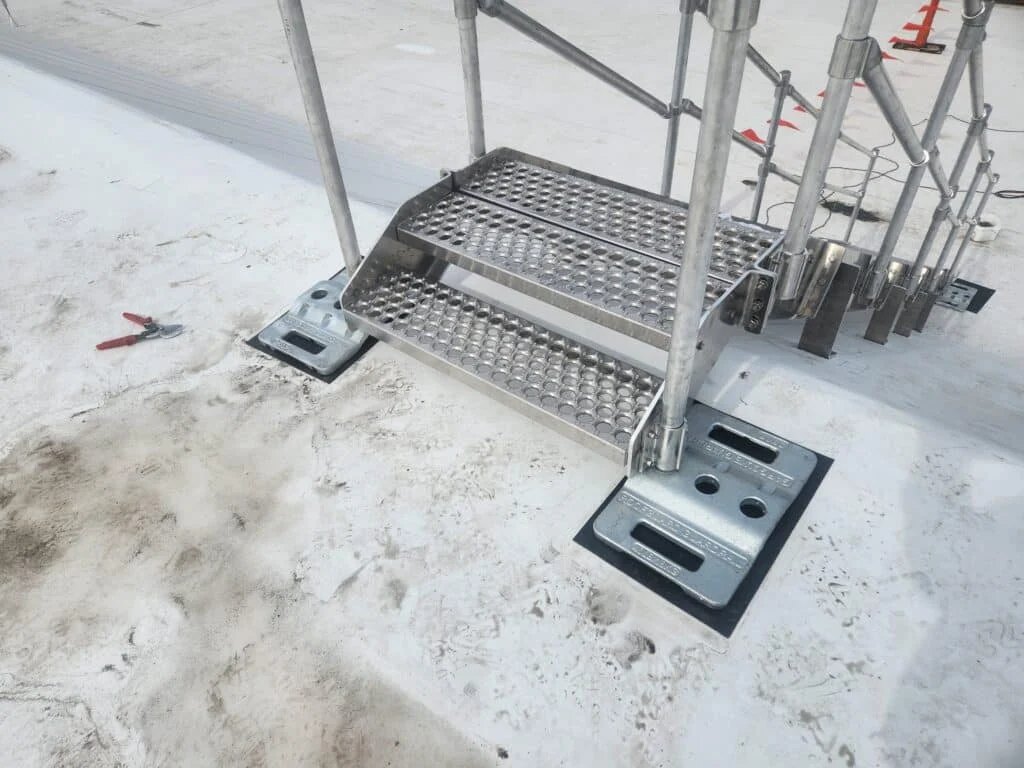 Crane and Material Staging in Providence, RI
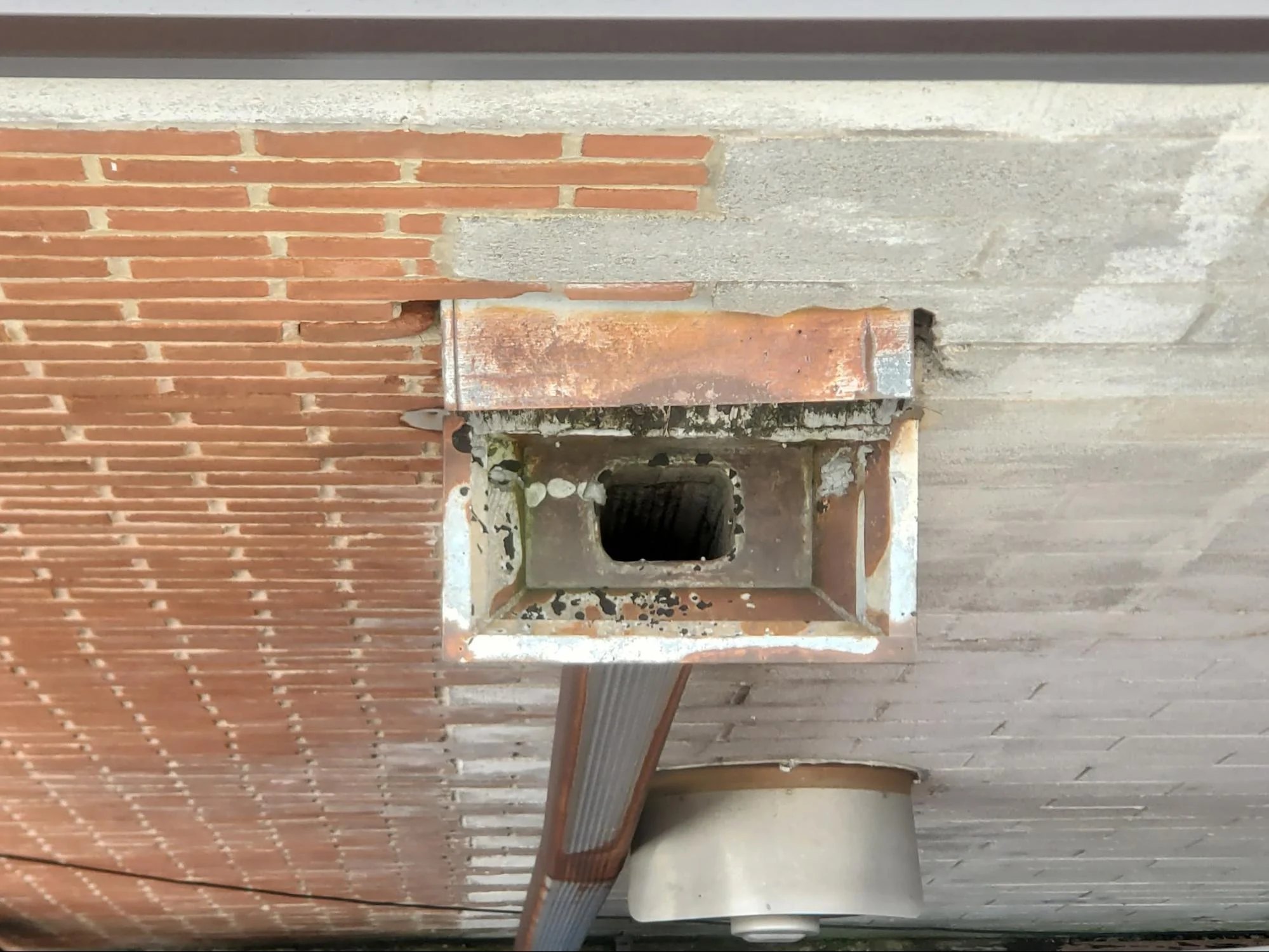 Drainage Layout Review in Providence, RI
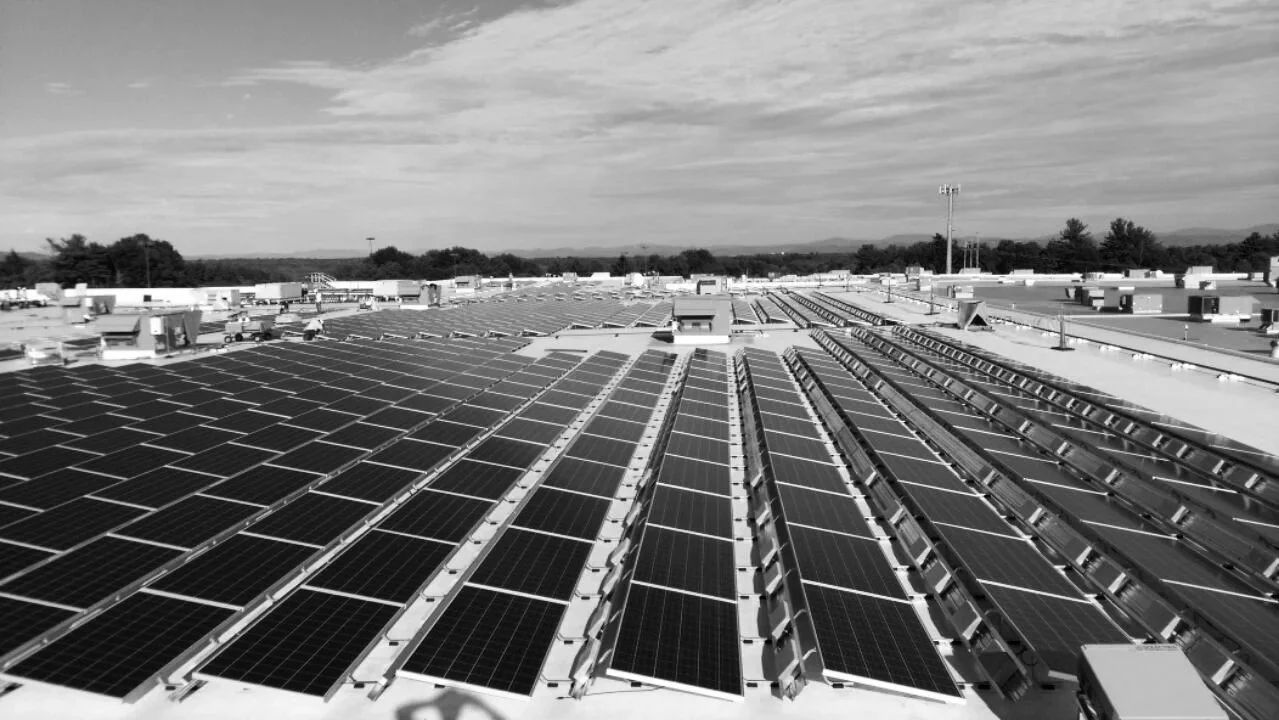 Energy and Insulation Review in Providence, RI
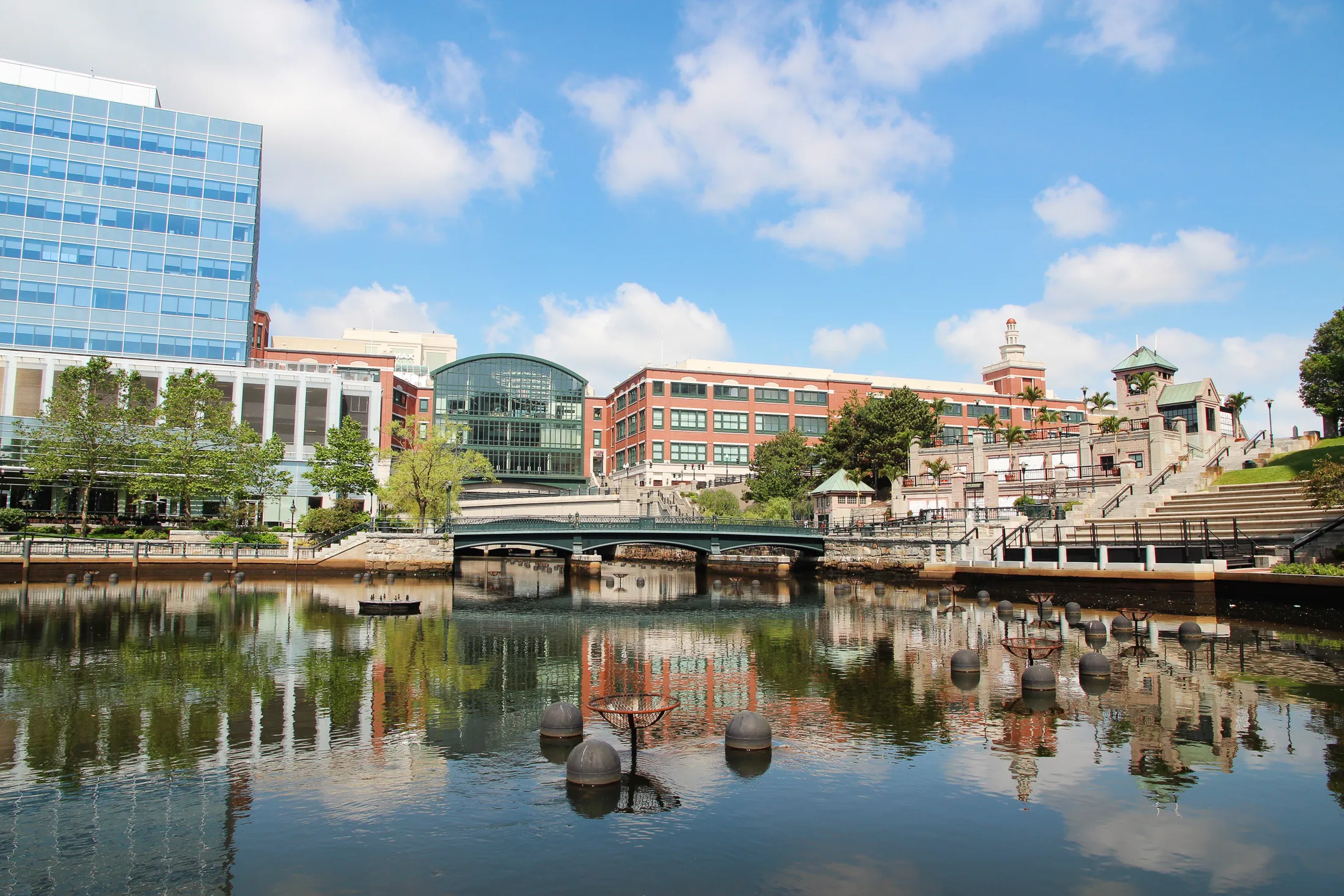 Providence
 Warwick