Getting to an Active Leak Fast
When water is coming through a commercial roof, the clock is running on everything underneath it. Inventory, equipment, finished interiors, and tenant relationships are all exposed until the water stops. Leak response dispatch is tailored to that reality: get a crew to the building quickly, stop the active intrusion, protect what is below, and then trace the source so the same leak does not return with the next storm.
This is a different service from a scheduled repair. A planned repair can wait for materials and a dry forecast. A leak in progress cannot. Our dispatch process is about response time and triage first, with the permanent fix following once the emergency is controlled and conditions allow a durable repair.
What Happens on a Dispatch Call
The first job is to stop the water and contain the damage. The second is to understand why it happened. We handle both in sequence so the building is protected immediately and the real problem gets solved rather than masked.
- Stop the active intrusion. Locate the point where water is entering and apply an immediate measure appropriate to conditions, whether that is sealing a seam, securing a lifted flashing, or tarping a compromised area to shed water until a permanent repair is possible.
- Protect the interior. Work with your team to limit interior damage, identify where water is tracking, and keep the intrusion away from sensitive equipment and stock.
- Trace the true source. Water rarely enters where it appears inside. We follow it back to the actual breach so the repair targets the cause, not the stain.
- Document the condition. Photograph and note what we find, which supports insurance claims and informs whether the roof needs a larger conversation than a single repair.
- Plan the permanent fix. Once the emergency is controlled, we lay out the durable repair and, where the leak points to a larger problem, what that means for the roof overall.
Why Rapid Response Matters Here
Rhode Island's weather produces the conditions that cause leaks and then makes them worse. Nor'easters drive rain sideways into seams and flashings that hold up fine in ordinary weather, and the same storms pile heavy, wet snow that forces meltwater under the membrane at the perimeter. The freeze-thaw cycle works at every existing weakness, expanding trapped water and lifting laps and terminations a little more with each cold snap. Ice damming backs water up under the edge of the roof where it has nowhere to go but inside. These are exactly the moments when a building needs a crew on the roof quickly, and they tend to arrive in clusters when a storm moves through.
The building stock raises the stakes. The 19th-century textile mills across Pawtucket, Woonsocket, and West Warwick carry aging low-slope roofs that have been re-covered repeatedly, and they leak in ways that are hard to trace because water travels under multiple old layers before it surfaces. On the coast, around Newport, Aquidneck Island, and South County, salt air corrodes fasteners and metal flashings and opens new entry points over time. A leak in a converted mill full of tenants or a coastal building full of equipment is not something that can wait several days for attention.
Triage Across Multiple Calls
A bad storm generates leaks across a region at once, and honest dispatch means triage. We prioritize by severity and exposure, which buildings have active intrusion threatening occupancy or valuable contents versus which have a contained drip that can hold for a few hours. We will tell you straight where you sit in the queue and what to expect, rather than promising an arrival time we cannot keep when a nor'easter has the whole state calling.
Tarping and Temporary Protection
When a permanent repair is not possible in the moment, because the storm is ongoing, the surface is wet, or the damaged area is too large to close properly under the conditions, temporary protection buys time without buying trouble. Properly installed emergency tarping sheds water and protects the interior until a real repair can be made on a dry day with the right materials. Done poorly, a tarp traps water and creates new problems, so we treat temporary protection as real work with a plan to convert it to a permanent fix, not as a place to stop.
From Emergency to Root Cause
A leak is information. One leak from a single failed flashing is a repair. Leaks appearing in several places after every storm are a roof telling you it is near the end of its service life. When we respond to a call, we note whether this is an isolated failure or a pattern, because the answer changes what you should do next.
Where the pattern points to a larger problem, we can follow the emergency response with an infrared moisture scan to map how much insulation the leaks have already saturated, which often reveals that the visible leaks are a fraction of the real damage. That picture feeds the decision between continued repairs and a planned replacement, and it lets you move from reacting to one leak at a time toward a plan for the whole roof.
For Property Managers and Multi-Building Owners
If you manage a portfolio, leak response is part of keeping tenants and protecting assets, and a reliable point of contact matters when something goes wrong at the worst possible time. We respond across portfolios that span the mill buildings of the Blackstone Valley, downtown Providence and the hospital district, the industrial inventory at Quonset Business Park, and the coastal properties of Newport and South County. After the emergency is handled, we connect what we found back to your capital planning so recurring problems become scheduled work instead of repeated 2 a.m. surprises.
Statewide Coverage
We dispatch for commercial roof leaks throughout Rhode Island, across all 39 cities and towns. From Woonsocket on the Massachusetts line to Westerly and the South County coast, and out to Newport and Jamestown, we cover the whole state. When a roof is leaking and the weather is against you, the priority is getting a crew there, stopping the water, and protecting what is underneath.
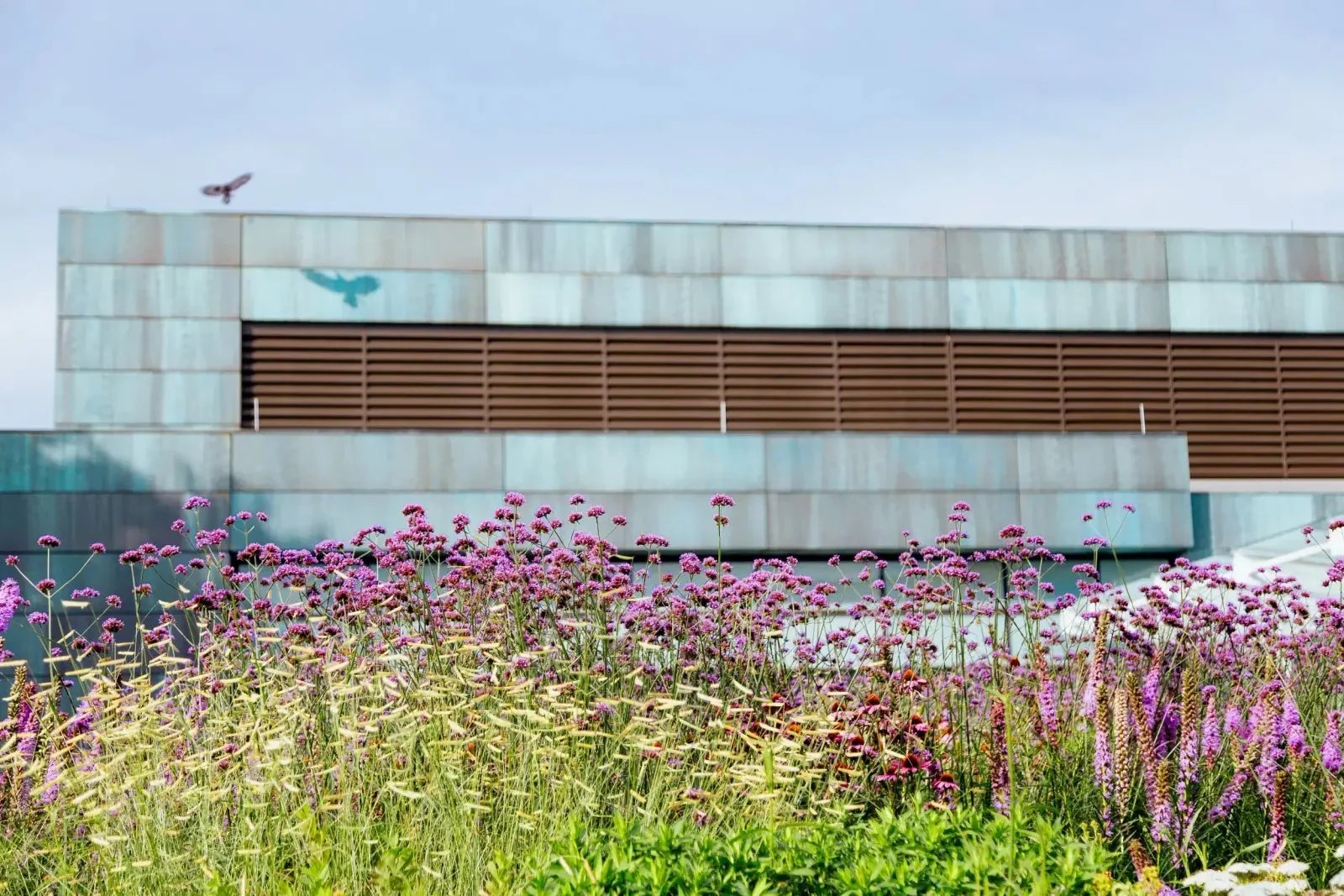 Capital Budget Planning in Providence, RI
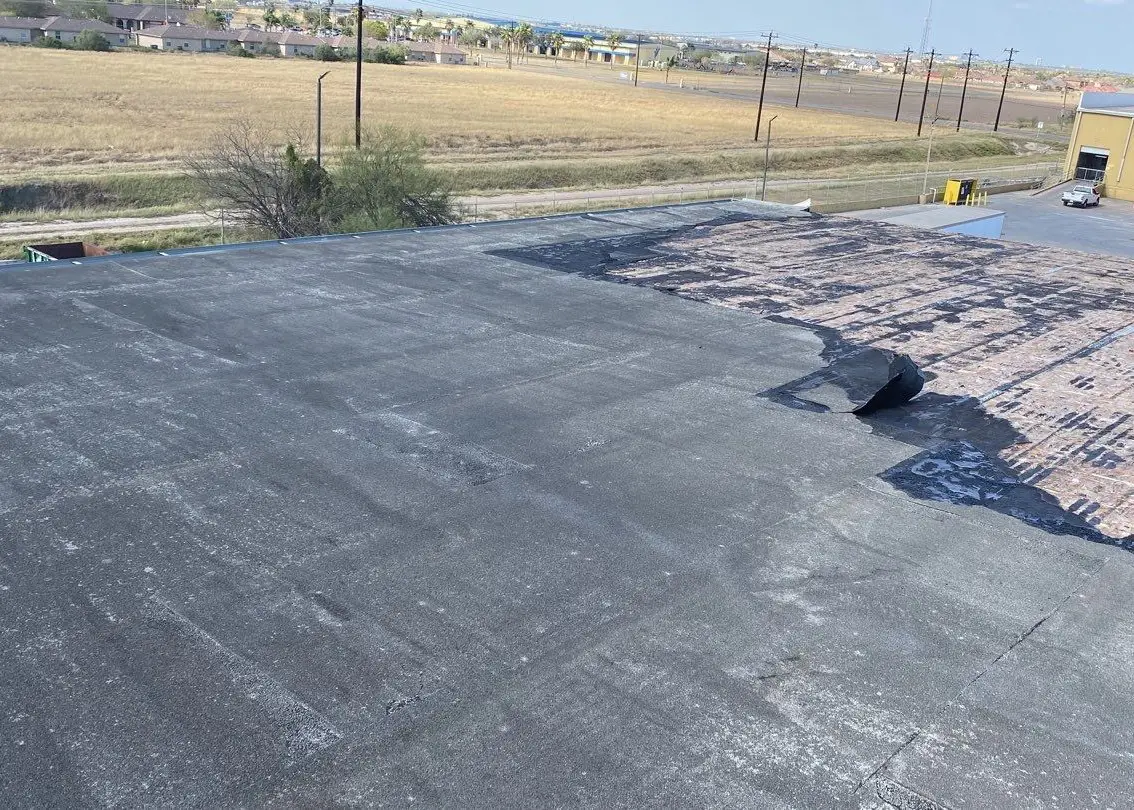 Code and Wind Review in Providence, RI
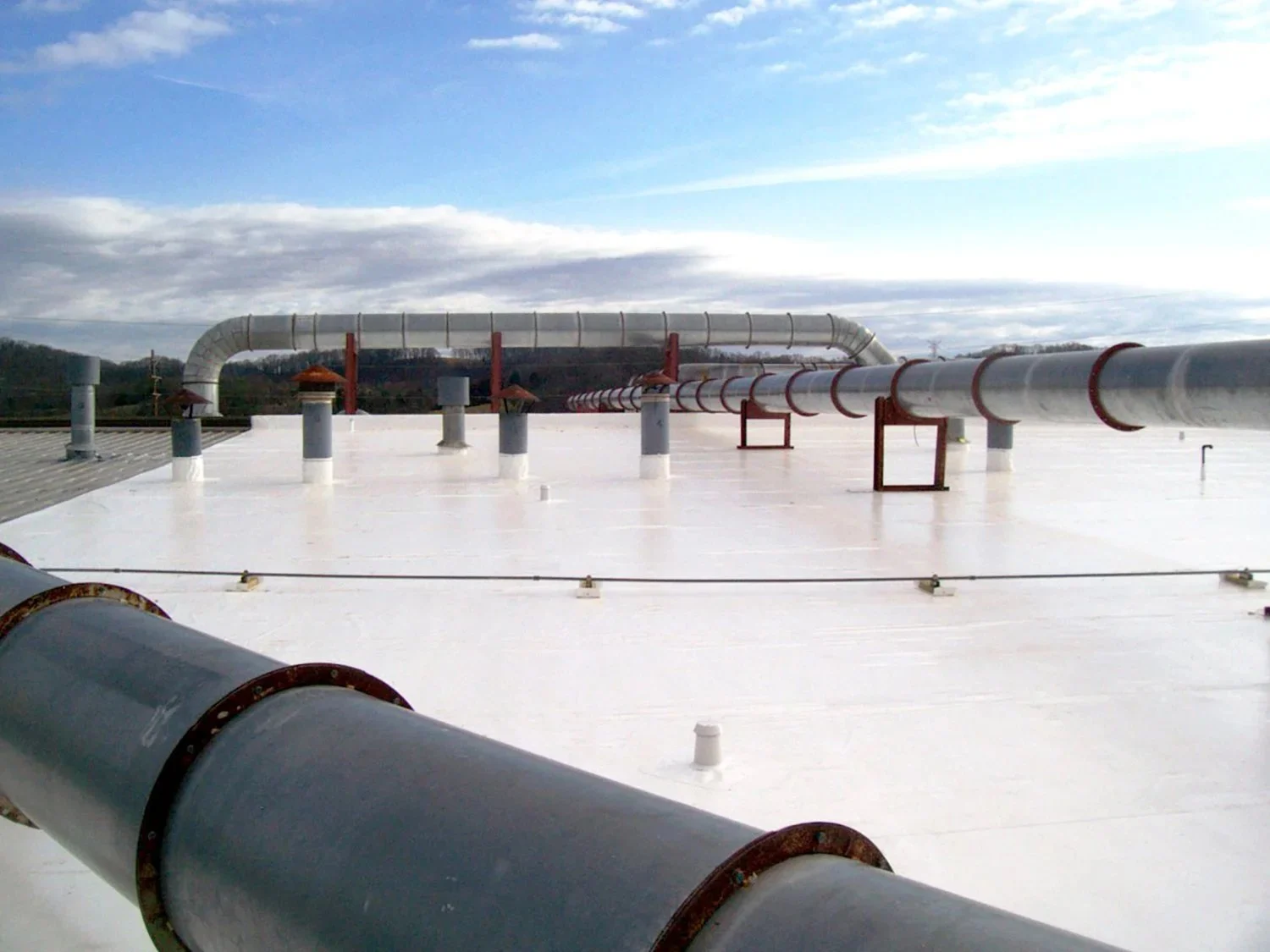 Core Cut Analysis in Providence, RI
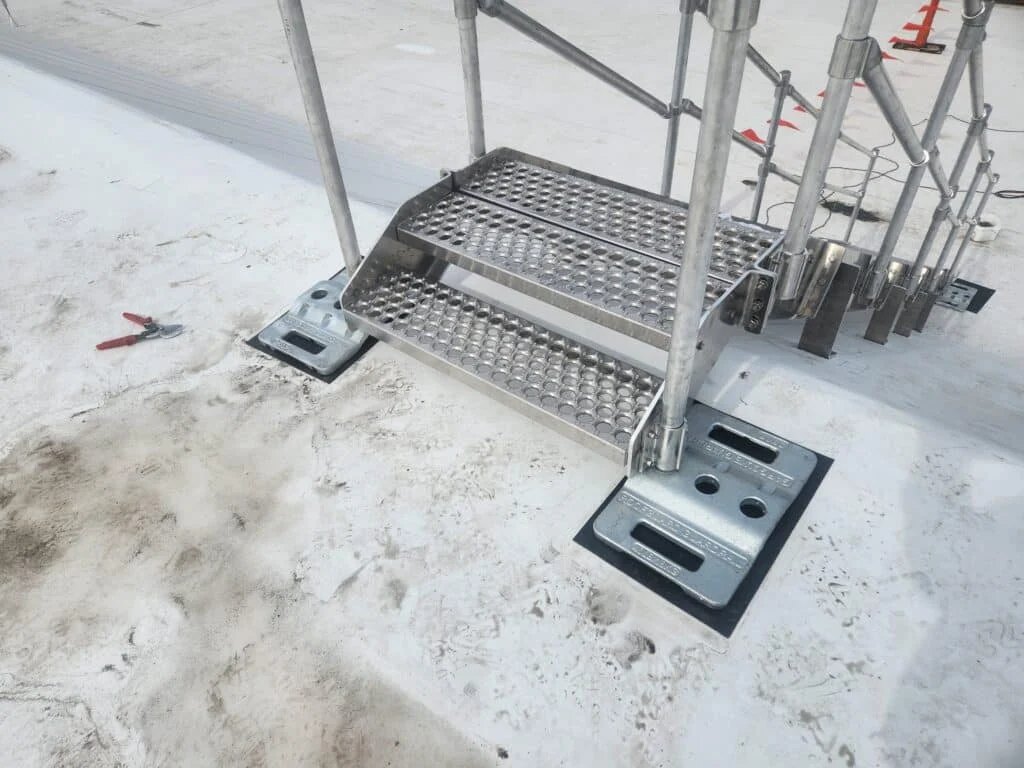 Crane and Material Staging in Providence, RI
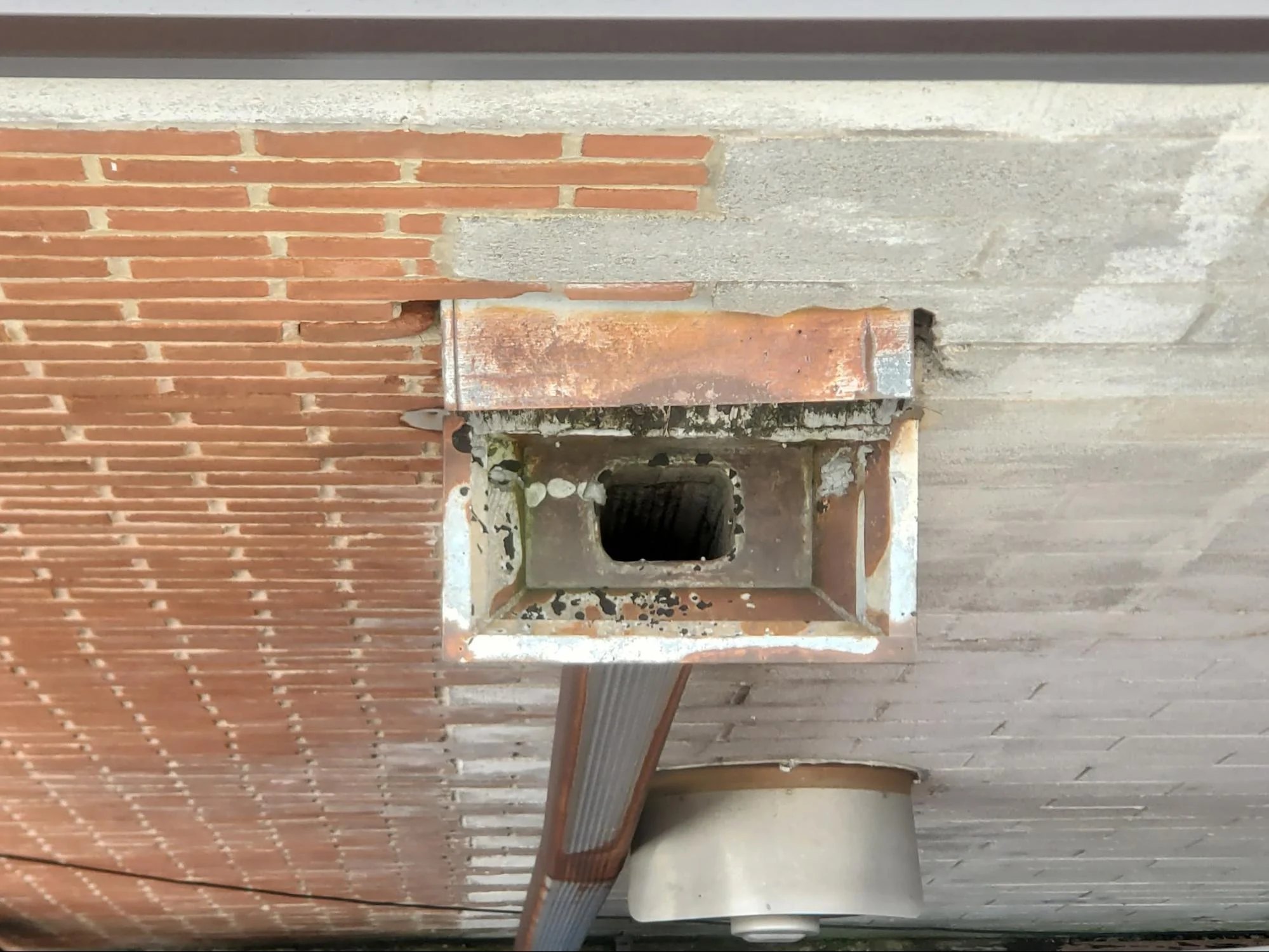 Drainage Layout Review in Providence, RI
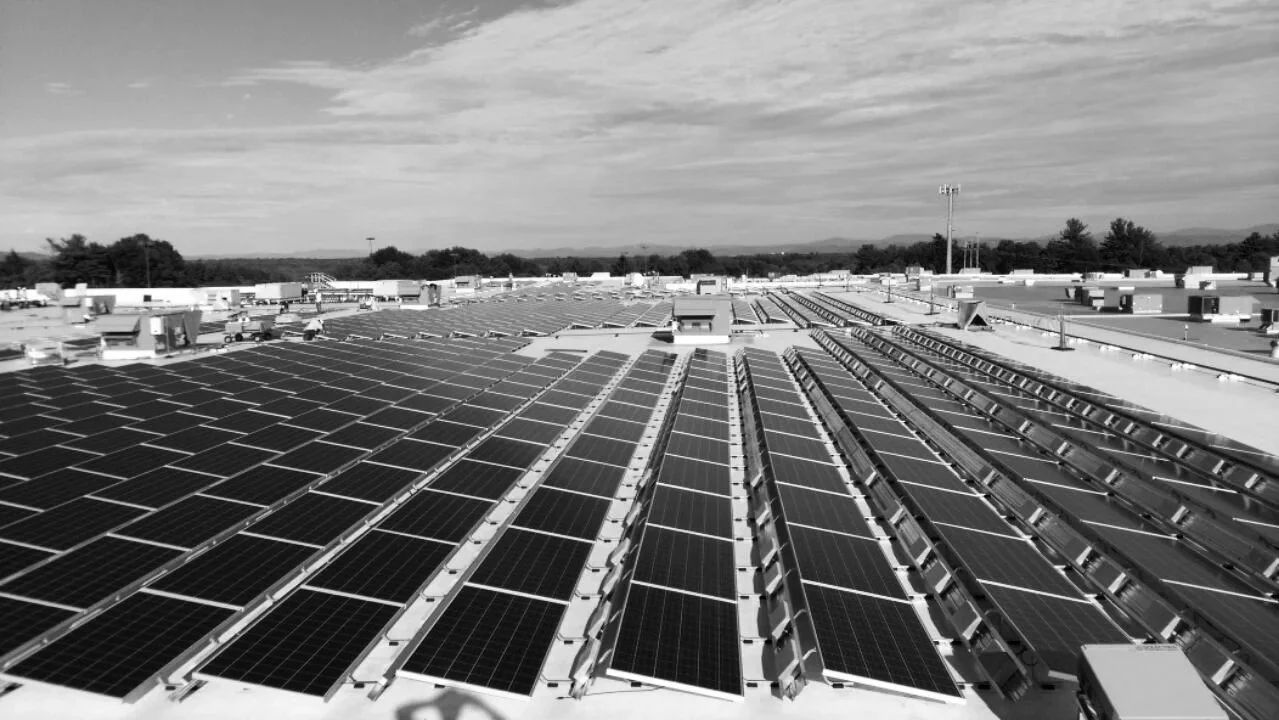 Energy and Insulation Review in Providence, RI
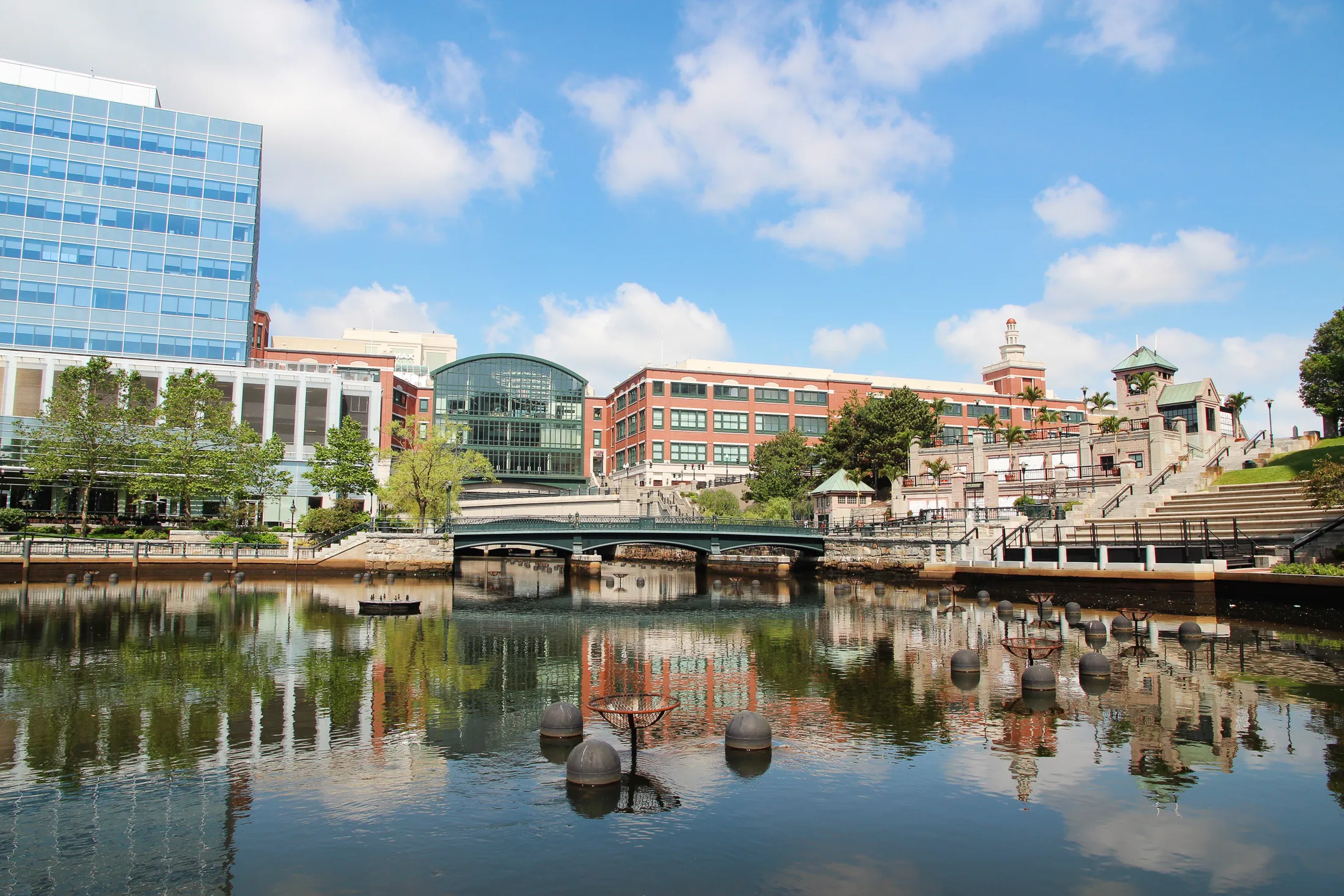 Providence
 Warwick