The paperwork that turns a finished roof into a warranted roof
A manufacturer's warranty on a commercial roof does not exist the moment the last sheet of membrane goes down. It exists once the manufacturer has reviewed the installation, confirmed it meets their specification, and issued the warranty document in the building owner's name. The work that gets you from a completed roof to that issued document is closeout paperwork, and it is the step where otherwise good roofs lose their coverage. We treat it as part of the job, not an afterthought, on every system we install across Rhode Island where a manufacturer warranty is part of the scope.
The owners who care most about this are usually the ones who have been burned before, the ones who pulled a warranty file during a leak claim and found it was never registered, or registered against the wrong assembly, or missing the inspection sign-off the manufacturer requires. On a roof covering a building anywhere from downtown Providence to the industrial bays at Quonset Business Park, a warranty that does not survive a claim is worth nothing, and the gap almost always traces back to paperwork no one finished.
What manufacturer closeout actually involves
Membrane manufacturers each have their own process, but the shape of it is consistent. Before they will issue a warranty, they want proof that the roof was built to their spec, and they confirm it with a combination of documentation and, on most larger systems, an inspection by their own field representative.
The manufacturer's inspection
For the longer warranty terms on single-ply and modified systems, the manufacturer sends a technical representative to walk the finished roof. They check seam welds, fastening patterns, flashing details at curbs and penetrations, and edge terminations against the spec the warranty is written around. If they find items that do not meet spec, those become a punch list, and the warranty is not issued until the items are corrected. We schedule that inspection, walk the roof with the representative, and handle any punch-list corrections so the sign-off actually happens rather than stalling.
The documentation package
Alongside the inspection, the manufacturer wants a record of what went onto the roof. That typically includes the products used and their lot or batch information, the assembly as built, the fastening or adhesion method, and confirmation that the components came together as an approved system. We assemble that package and submit it so the warranty is registered against the roof that actually exists, not a generic version of it.
Why this matters more on Rhode Island roofs
A warranty is a promise that gets tested when a roof is under stress, and roofs in this state get tested hard. Three things make the closeout file worth getting right here.
- Nor'easters and heavy snow load put real strain on seams, flashings, and edge metal, and a winter storm is exactly the kind of event that prompts a leak and a warranty claim. A claim is only as strong as the registered warranty behind it.
- Coastal salt on Aquidneck Island, in Newport, and across South County is hard on metal terminations and fasteners, and manufacturers will scrutinize whether the specified corrosion-appropriate details were actually installed before they honor coverage in those exposures.
- Much of the state's commercial square footage sits on aging low-slope roofs, including the 19th-century textile-mill buildings in Pawtucket, Woonsocket, and West Warwick that have been re-roofed repeatedly. When an owner finally puts a new warranted system on a building like that, the warranty file is the documented fresh start, and it needs to be clean.
What the manufacturer warranty does and does not cover
Part of closeout is making sure the owner understands what they are actually holding. Manufacturer warranties vary widely, and the term length is only one variable. We walk owners through the distinctions that matter, rather than handing over a document and leaving them to read the fine print during a future leak:
- Whether the coverage is material-only, which covers the membrane and components, or a system warranty that also covers the labor to repair a defect
- What the warranty term actually is, and what conditions, like the membrane thickness or a specific fastening pattern, were required to qualify for it
- The maintenance and inspection obligations the owner must meet to keep the warranty valid, which manufacturers do enforce
- What is excluded, such as damage from later work by other trades, alterations made without notice, or storm events beyond a defined threshold
An owner who understands these terms at handover is far less likely to void the coverage by accident, which is the most common way a valid warranty dies before it is ever needed.
The file we hand over
When a warranted roof is done, the owner should end up with a complete, organized record they can pull instantly years later. We assemble and deliver that file rather than leaving the owner to chase paper. It generally includes:
- The issued manufacturer warranty document, registered in the owner's or building entity's name
- The documentation of the system as installed, including the products and the assembly
- The manufacturer inspection sign-off and confirmation that any punch-list items were closed
- A summary of the owner's maintenance obligations under the warranty, in plain language
For a property manager or facilities team, that organized file is what makes a future claim straightforward instead of a scramble. When a leak shows up after a storm and the question is whether coverage applies, the answer should be sitting in a folder, fully documented, not in dispute.
Closeout on every warranted roof we install statewide
We install manufacturer roof systems on commercial buildings in all 39 Rhode Island towns, and wherever a manufacturer warranty is part of the scope, the closeout paperwork comes with it. We schedule the manufacturer inspection, correct any punch-list items, submit the documentation, confirm the warranty is issued in the right name, and hand over an organized file. The goal is simple: when you need the warranty to mean something, the paperwork behind it is already done and already correct. If you are planning a new roof and want the warranty handled properly from the start, or you want an existing warranty file reviewed for gaps, we can help with both.
 Capital Budget Planning in Providence, RI
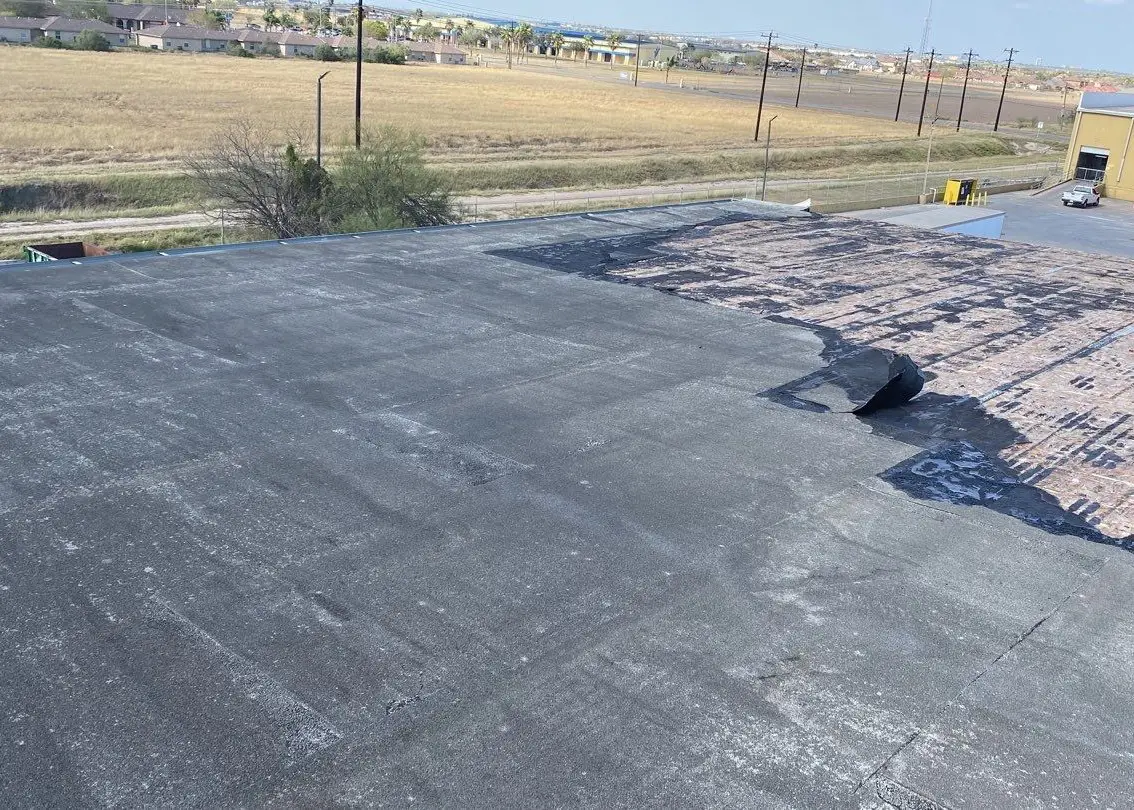 Code and Wind Review in Providence, RI
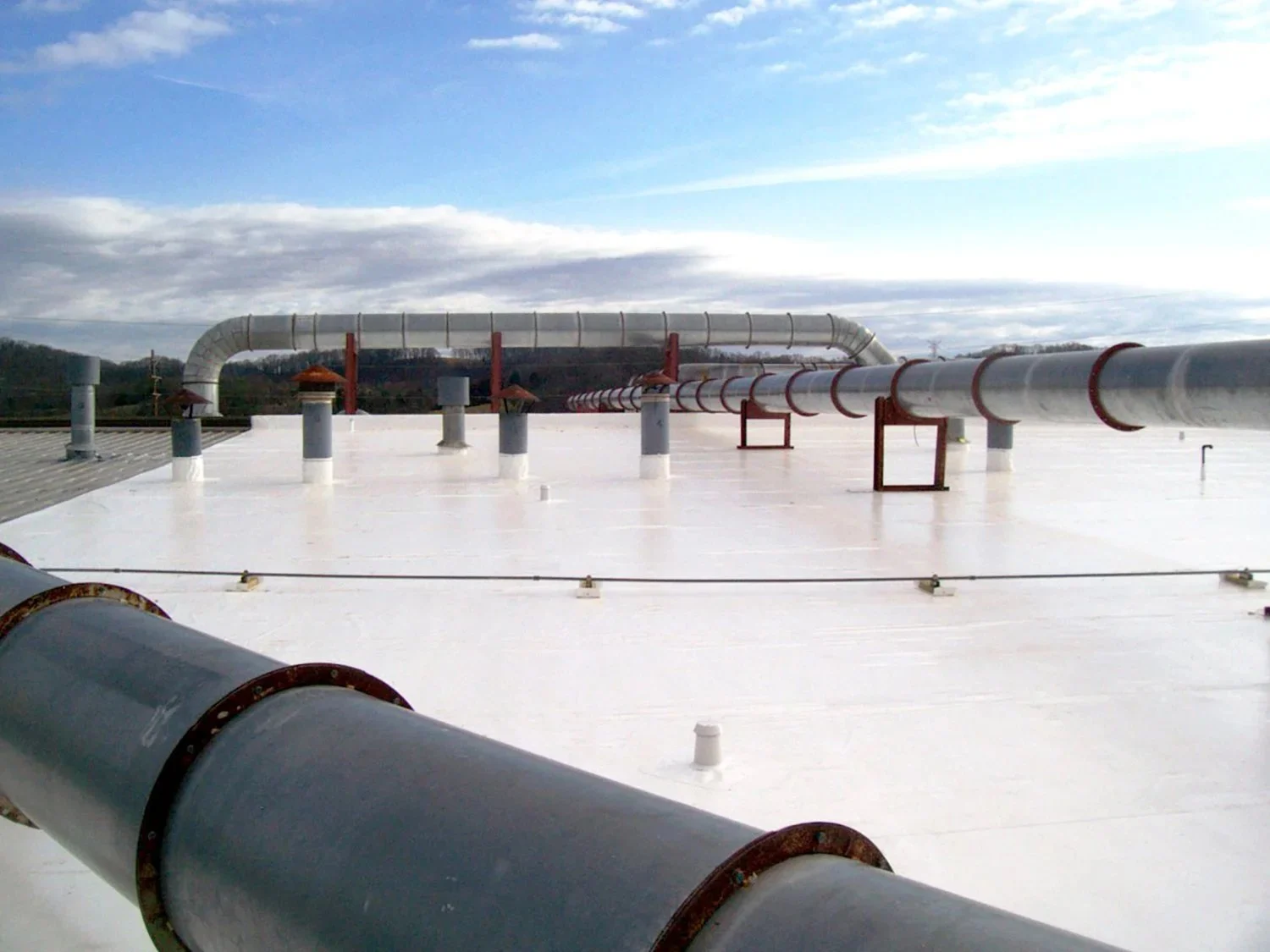 Core Cut Analysis in Providence, RI
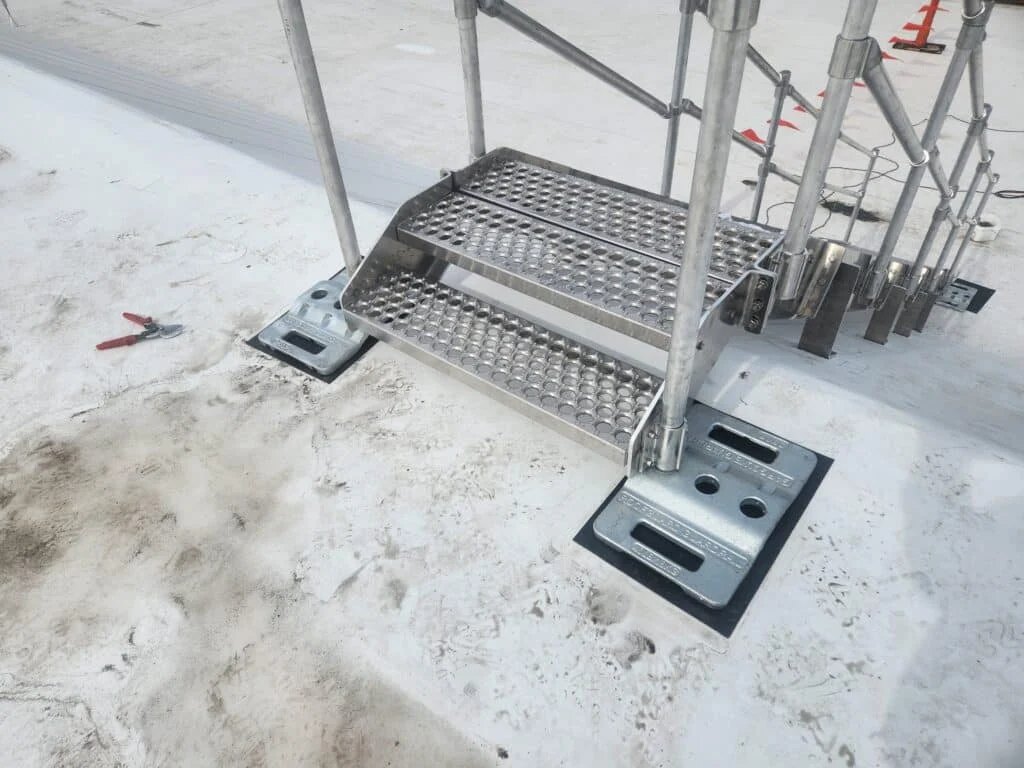 Crane and Material Staging in Providence, RI
 Drainage Layout Review in Providence, RI
 Energy and Insulation Review in Providence, RI
 Providence
 Warwick