Pulling the permit so the owner does not have to
A commercial reroof or major roof repair is almost always permitted work, and in Rhode Island the permit is pulled at the town level. That means the requirements, the forms, the fees, and the inspector are different depending on whether the building is in Providence, Newport, Woonsocket, or one of the smaller towns. For a building owner or property manager, sorting that out is friction they do not need. We handle the permit side of our roof projects as part of the job, pulling the permit with the local building department, scheduling the inspections, and closing it out so the work is on record and signed off.
This matters more than it sounds. An unpermitted roof, or a permitted roof that was never inspected and closed out, becomes a problem later, often at the worst time. It surfaces when a building is sold and the closing attorney finds an open permit, when an insurer asks for documentation after a claim, or when a future renovation triggers a records check. Getting the permit right the first time keeps the roof clean in the town's records and keeps those problems from ever appearing.
Why permits are a town-by-town matter in Rhode Island
Rhode Island has no single statewide commercial building permit counter. Each of the 39 towns runs its own building department under the state building code, and they do not all operate the same way. We work across all of them, and the practical differences show up constantly:
- Some departments take submissions online and turn permits around quickly, while others still run on in-person submittals and longer review windows
- Fee structures and documentation requirements vary, and what one town wants attached to the application another does not
- The local inspector's schedule and availability differ, which affects how a project's inspection points get timed into the work
- Historic and downtown districts, which Rhode Island has many of, can add a review layer on top of the standard building permit
Because we work statewide, we know how the departments differ and submit to each one the way that town actually wants it, rather than sending a generic application that gets kicked back and stalls the start of the job.
What permit support covers on our projects
Preparing and submitting the application
We put together the permit application for the roof scope, assemble the documentation the specific town requires, and submit it to that building department. For most commercial reroofs this is a building permit covering the roof assembly and its details. We handle the submittal so the owner is not learning a town's permit process on the fly.
Coordinating the required inspections
Permitted roof work comes with inspection points, and the inspector has to see certain stages before the work is covered over. We schedule those inspections with the town and sequence our work so the inspector is there at the right moment, rather than discovering after the fact that a stage got buried before it was looked at. Coordinating inspections cleanly is a large part of keeping a permitted job on schedule.
Closing the permit out
A permit is not done when the roof is finished. It is done when the final inspection passes and the town closes the permit in its records. We follow through to that final sign-off, so the project ends with a closed permit on file rather than an open one that resurfaces years later during a sale or a claim.
Code requirements that affect Rhode Island roof projects
The building code drives much of what a roof project has to include, and several requirements come up regularly on the buildings here:
- Insulation and energy code: commercial reroofs generally have to meet a minimum R-value, which is why a tear-off and rebuild is often the moment a building's roof insulation finally gets brought up to current standard
- Wind uplift: the code sets attachment requirements based on the building's wind exposure, which matters acutely on coastal buildings on Aquidneck Island, in Newport, and across South County, where exposure is higher and the inspector will expect the fastening to reflect it
- How many roofs are already on the building: code limits the number of roofing layers, so a building like one of the old textile mills in Pawtucket or West Warwick that has been recovered several times may require a full tear-off rather than another overlay, which changes the permit and the scope
- Drainage and structural load on low-slope roofs, particularly relevant given the heavy, wet snow that nor'easters drop on flat commercial roofs across the state
We design the roof to meet these requirements and reflect them in the permit application, so the scope the town approves is the scope that actually gets built and the inspection passes the first time.
Historic and downtown districts
Rhode Island has a great deal of older and historically significant building stock, and many commercial buildings sit inside districts that carry an extra review layer. A roof on a building in a historic district, or in parts of downtown Providence and Newport, may need approval that considers what is visible from the street in addition to the standard building permit. We factor that into the permit plan up front, so a project does not get to the roof stage and then stall against a review no one accounted for.
What clean permitting is worth to an owner
The value of handling permits properly shows up later, usually when money is on the line. A building with all its roof permits pulled and closed out passes a due-diligence review during a sale without the roof becoming a sticking point. An insurer asking for documentation after storm damage gets a clean record. A facilities team planning the next project starts from accurate town records rather than untangling an open permit from years ago. For a property manager handling a portfolio of buildings across several towns, having a roofer who pulls and closes permits correctly in each one removes a recurring headache from the job.
Permit support on commercial roof work statewide
We pull permits, coordinate inspections, and close them out for the commercial roof projects we install across all 39 Rhode Island towns, from Providence and the surrounding metro to the coastal communities and the smaller towns with their own building departments. The owner gets a roof that meets code, passes inspection, and lands in the town's records as a closed, documented project. If you are planning commercial roof work and want the permitting handled correctly with your local building department, we can take that piece off your plate.
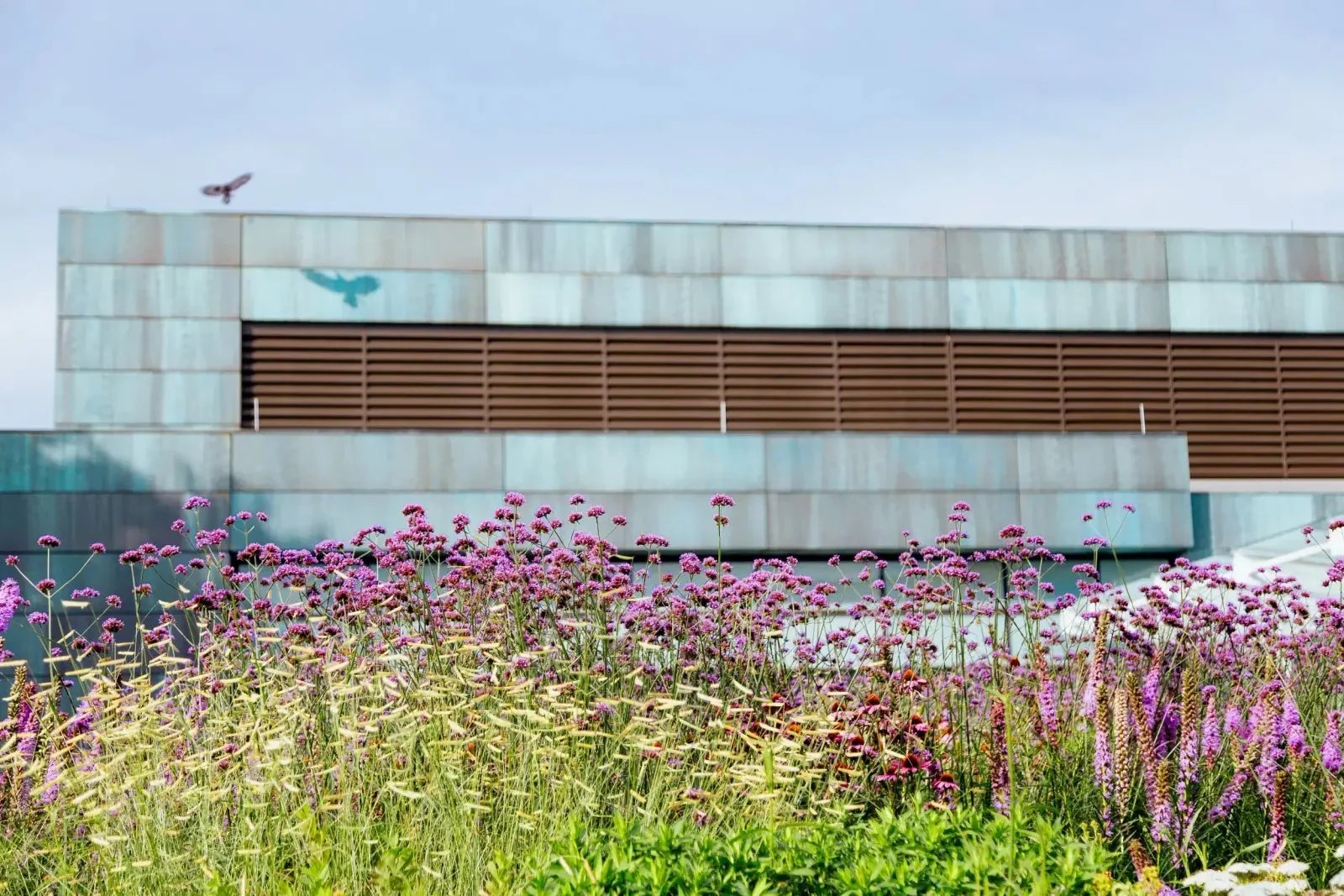 Capital Budget Planning in Providence, RI
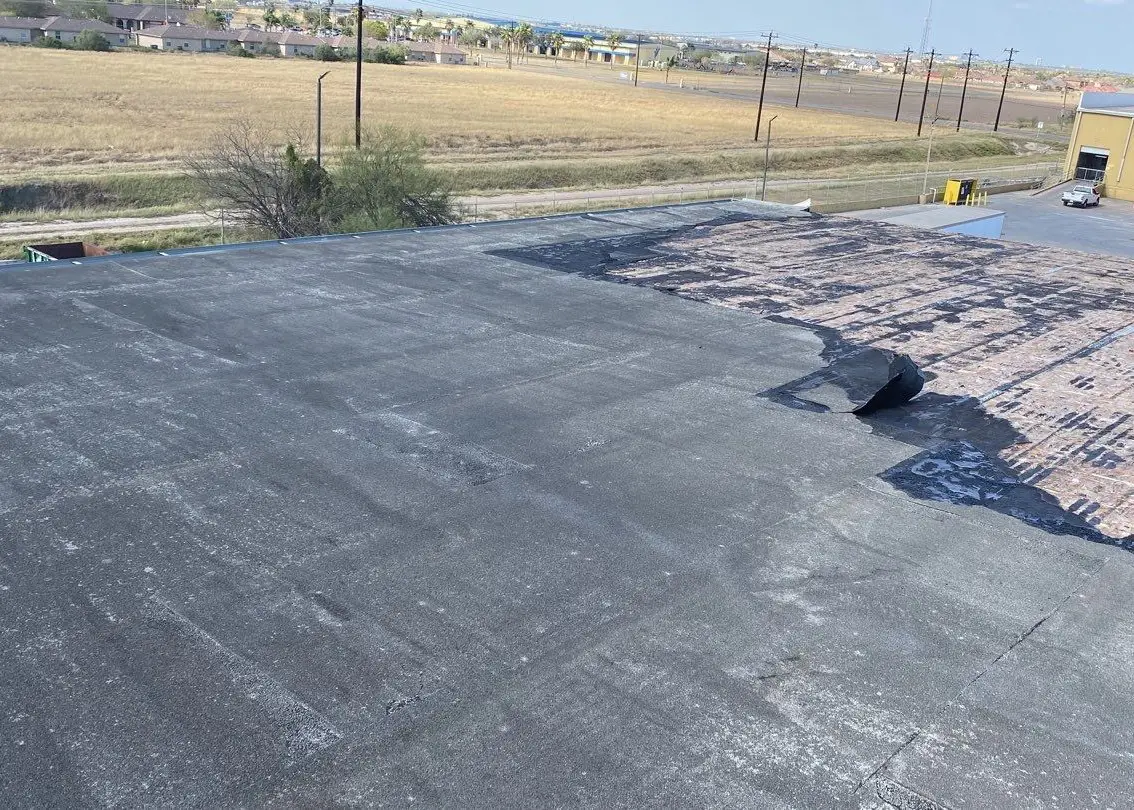 Code and Wind Review in Providence, RI
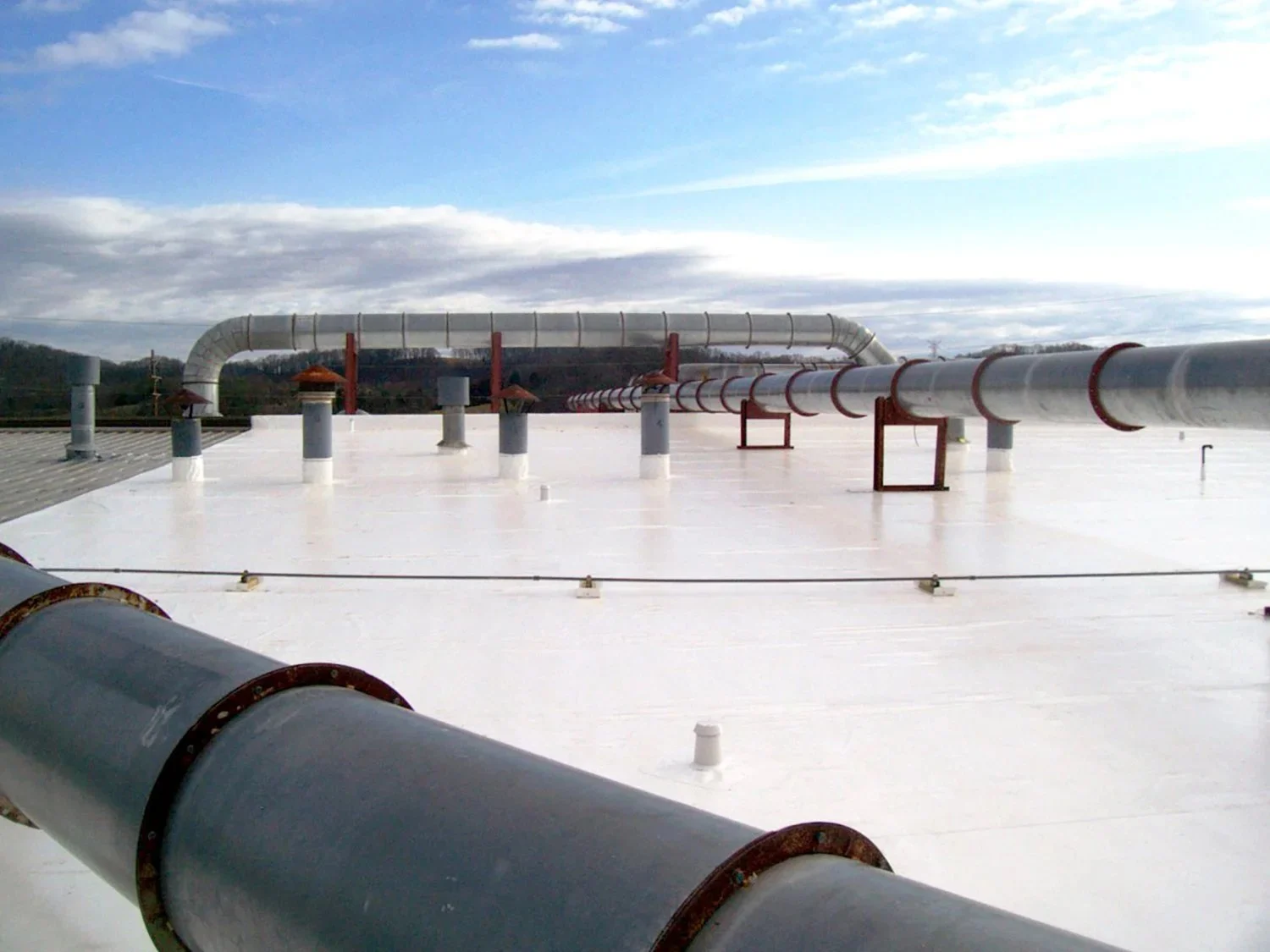 Core Cut Analysis in Providence, RI
 Crane and Material Staging in Providence, RI
 Drainage Layout Review in Providence, RI
 Energy and Insulation Review in Providence, RI
 Providence
 Warwick