
Replacing a Commercial Roof Without Shutting the Building Down
A full tear-off and replacement is the right call when a roof has reached the end of its service life, but very few Rhode Island facilities can afford to vacate the building, halt production, or close to the public while it happens. Phased reroofing splits the work into defined sections that we complete one at a time, on a schedule matched to how the building actually gets used. The occupied space underneath stays dry, stays heated, and stays open for business while we work above one zone at a time.
We handle phased reroofing on commercial and industrial buildings throughout the state, from the warehouse roofs at Quonset Business Park in North Kingstown to multi-tenant office and retail properties across the Providence metro. The approach is the same regardless of size: divide the roof into manageable areas, seal each completed phase fully watertight before moving on, and never leave open deck exposed overnight to a New England sky.
When Phasing Makes Sense
Phasing is not the right answer for every project, and we will tell you when a straight full replacement is faster and cheaper. But there are clear cases where breaking the work into stages is the only practical path forward.
- Continuous operations. Manufacturers, distribution centers, and cold-storage facilities that run shifts around the clock cannot stop. We sequence phases over the roof areas that sit above the least sensitive interior zones first, then coordinate the rest around production windows.
- Occupied tenant space. Office buildings, medical offices, and retail centers in downtown Providence and the surrounding towns keep tenants in place. We work zone by zone so no single tenant loses use of their space for the duration of the job.
- Capital budgets spread across fiscal years. A large roof area can be a significant capital expense. Splitting it into phases lets a property owner or a municipality fund the replacement across two or three budget cycles instead of absorbing it all at once.
- Sequencing around other building work. When a roof replacement has to coordinate with rooftop equipment swaps, solar installation, or interior renovations, phasing lets the trades stay out of each other's way.
How We Sequence the Work
Before any tear-off begins, we map the entire roof and break it into phases at logical boundaries. The best break lines follow existing expansion joints, parapet walls, equipment curbs, or roof-area transitions, because tying a new system into the old one is always easiest where the deck already changes. We document where each phase ends and how the new membrane will be terminated and protected until the adjacent phase is built.
A typical sequence runs like this. We strip the first phase down to a sound deck, address any wet or deteriorated insulation, install the new system, and bring it fully watertight including a temporary tie-in at the phase boundary. Only once that section is sealed and inspected do we open the next area. Each completed phase functions as a finished roof in its own right, which matters in Rhode Island, where a nor'easter or a fast-moving coastal storm can arrive with little warning between work sessions.
Protecting the Tie-In Between Phases
The seam where new work meets old, or where one finished phase meets the next, is where phased projects succeed or fail. We build every temporary edge as if it has to survive a storm, because it does. Membrane is run up and over the break, water-stops and temporary flashings are installed, and the transition is sealed so wind-driven rain cannot track underneath the new section into the building. When we return to build the adjacent phase, we cut back to clean membrane and weld or bond a permanent lap, leaving no buried temporary detail in the finished roof.
Building Stock We See Across Rhode Island
The kind of roof, and the kind of phasing it needs, varies a lot by where the building is and when it was built. We adjust the plan to the structure rather than forcing one method onto every job.
- Mill-era buildings in the Blackstone and Pawtuxet valleys. The 19th-century textile mills of Pawtucket, Woonsocket, and West Warwick carry large, aging low-slope roofs over heavy timber or masonry structures. These are often the strongest candidates for phasing, because the roofs are big, the buildings are usually occupied by multiple tenants, and the deck conditions vary from bay to bay. We phase by structural bay and check the deck carefully as each section opens.
- Industrial roofs at Quonset and along the I-95 and Route 146 corridors. Distribution and manufacturing buildings have very large single-membrane roofs over active operations. Phasing keeps the loading docks and the production floor running while the membrane gets replaced overhead.
- Coastal properties on Aquidneck Island and in South County. Salt air off Narragansett Bay is hard on metal edge details and fasteners. When we phase a roof in Newport, Middletown, or along the southern shore, we pay particular attention to corrosion-resistant terminations at every temporary and permanent edge.
Planning for New England Weather Across a Multi-Phase Job
A phased roof can stretch across weeks or, when it follows a budget schedule, across seasons. That means the plan has to account for the weather the building will see between phases. Heavy snow load, freeze-thaw cycling, and ice damming at the eaves all act on a temporary edge differently than on a finished roof. We schedule open-deck work in the windows that the forecast allows, keep completed phases drained so meltwater and ponding do not sit on the new membrane, and detail the active tie-in so an ice dam cannot back water under it. If a storm is coming and a phase is mid-tear-off, the work stops at a defensible, watertight line rather than at a convenient one.
Keeping the Site Safe and Clean Around Occupants
Working over an occupied building means the area below the active phase stays protected. We coordinate access, stage materials away from entrances and parking that tenants need, and keep tear-off debris contained and removed phase by phase rather than letting it accumulate. For retail and medical properties where the public is coming and going underneath, that coordination is as much a part of the job as the membrane itself.
What You Get From a Phased Approach
Done correctly, a phased reroof gives you a brand-new roof system with no buried compromises, installed without forcing your building to go dark. You keep operating, you can spread the cost across budget years if that helps, and you avoid the disruption and lost revenue that a full shutdown would cost. We document each phase as it is completed so you have a clear record of what was replaced and when, which is useful for warranty tracking and for planning any remaining sections in future budget cycles. Reach out to walk your roof with us, and we will lay out a phasing plan that fits both your building and your schedule.
 Capital Budget Planning in Providence, RI
 Code and Wind Review in Providence, RI
 Core Cut Analysis in Providence, RI
 Crane and Material Staging in Providence, RI
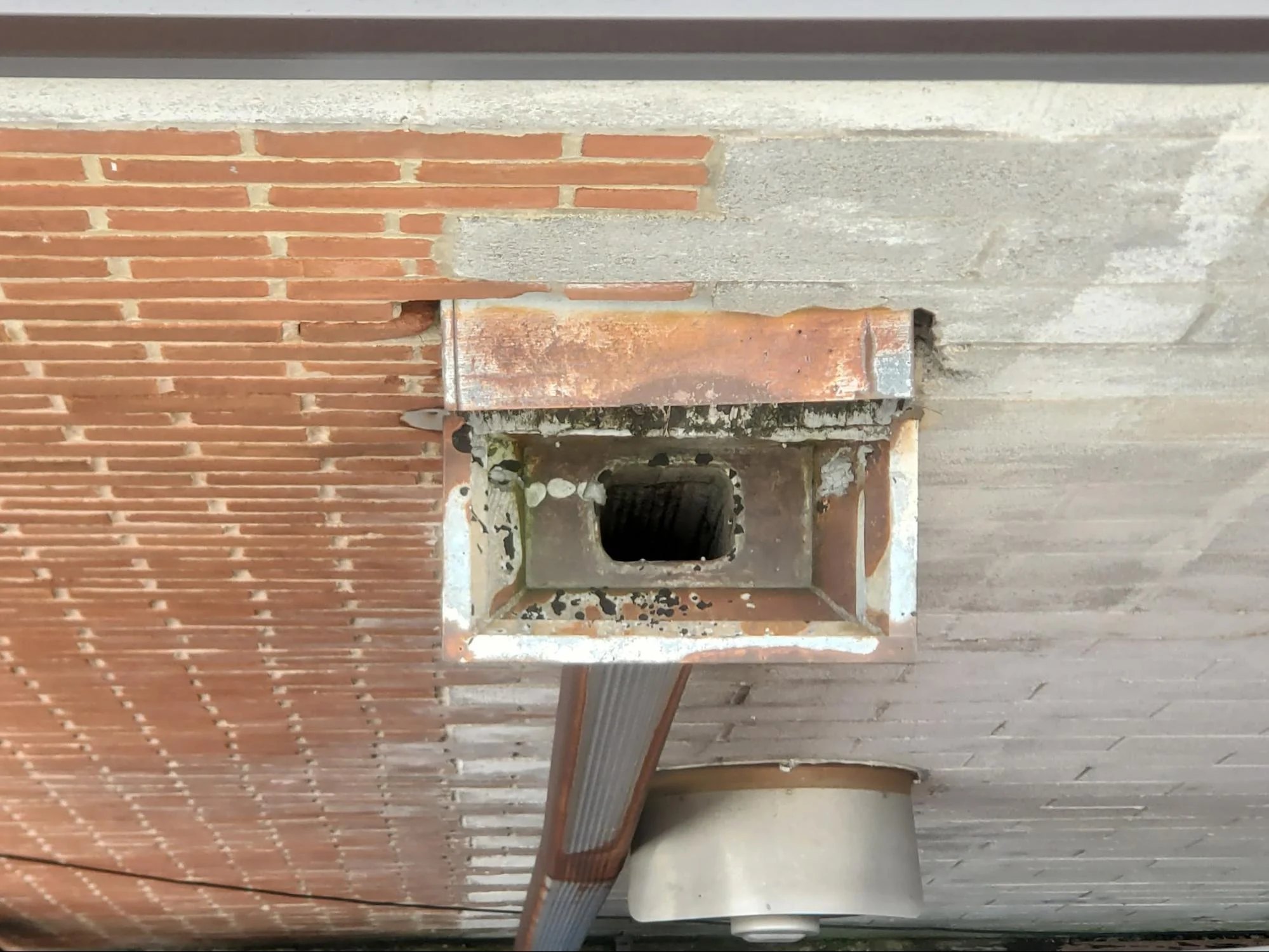 Drainage Layout Review in Providence, RI
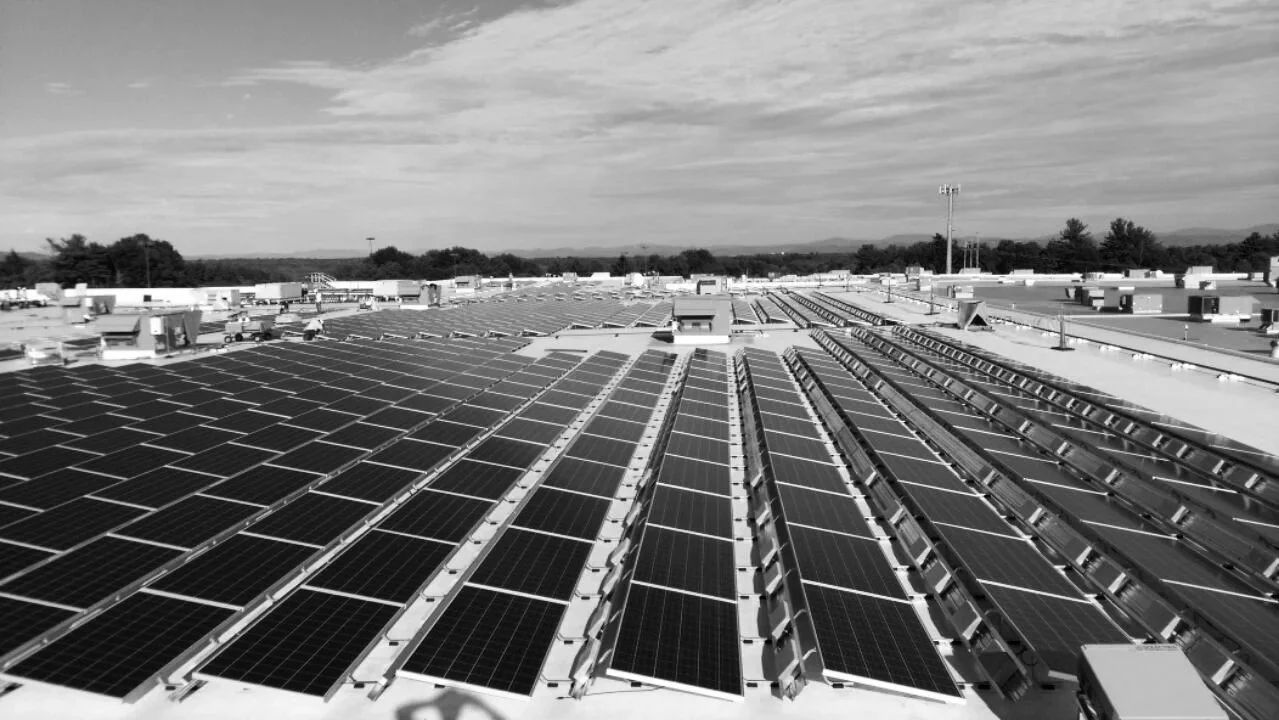 Energy and Insulation Review in Providence, RI
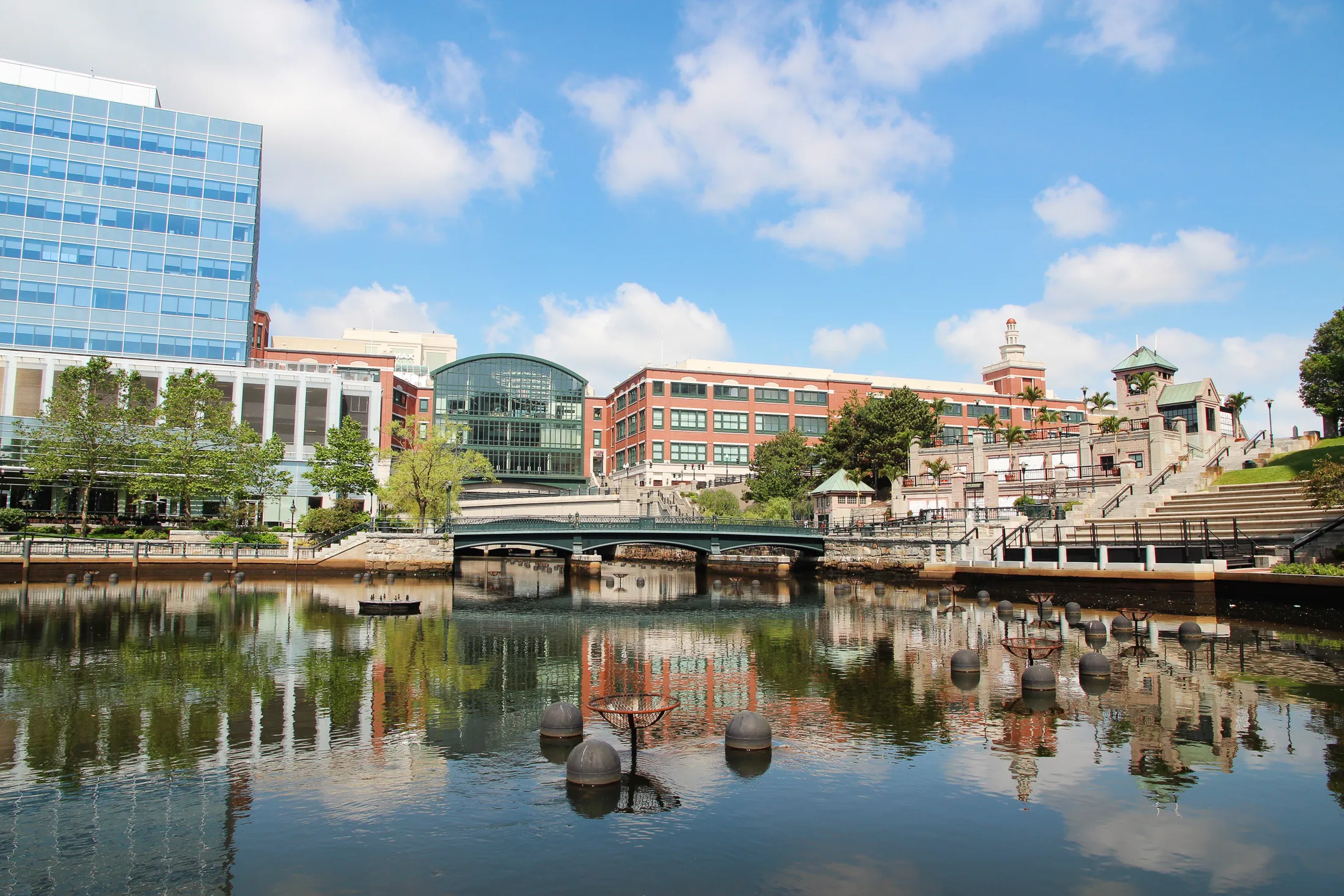 Providence
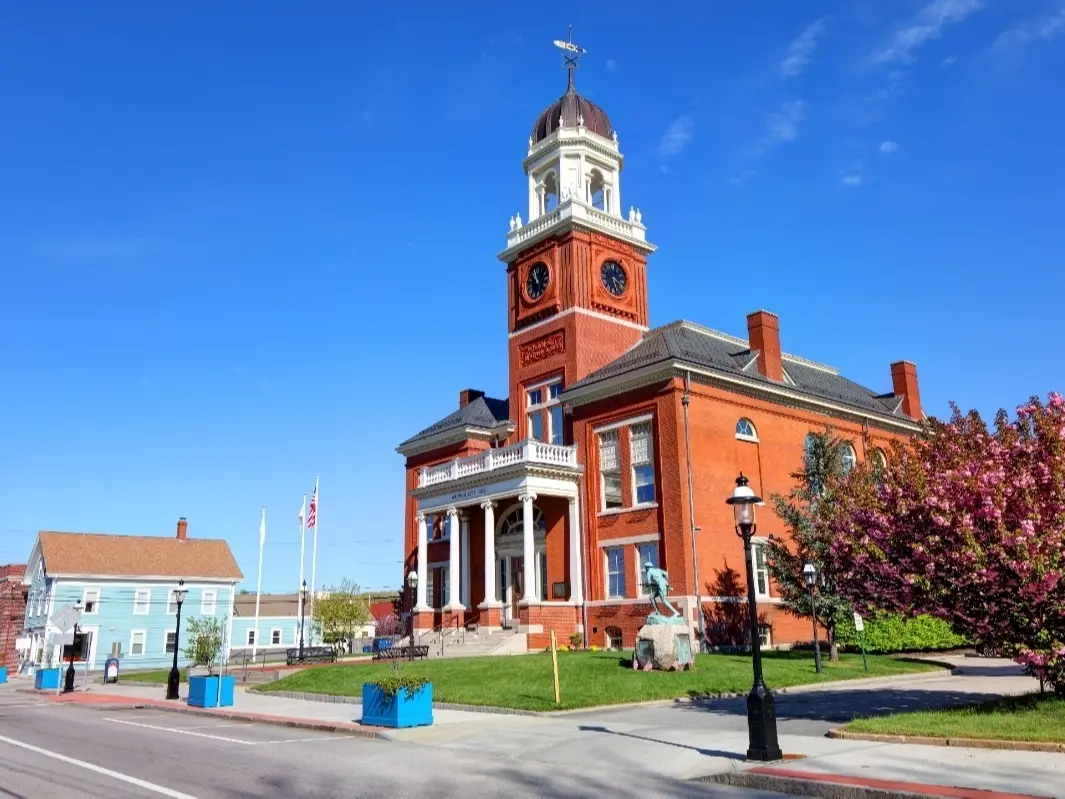 Warwick