
Finishing the Roof, Not Just the Field
The large flat field of a commercial roof is the easy part. Where roofs leak, and where projects go wrong, is in the details: the flashing at a curb, the seam at a corner, the termination along a parapet, the seal around a pipe. Quality control is the discipline of checking every one of those details before we call a job done, and a punchlist is the written instrument that makes sure nothing gets called done until it actually is. On every commercial roofing project we run across Rhode Island, the punchlist is part of the job, not an afterthought.
A punchlist is a documented list of items that still need attention before final acceptance, each one identified, located, assigned, and tracked until it is corrected and verified. It turns "the roof looks finished" into "every item has been inspected, listed, fixed, and signed off." That is the difference between a roof that passes a glance and a roof that is genuinely complete.
What We Inspect Before Closeout
Our quality-control walk covers the whole system, but it spends most of its time on the details that actually determine whether a roof keeps water out. We inspect against the membrane manufacturer's installation requirements and against the specifics of the project, and anything that does not meet them goes on the list.
- Seams and welds. On heat-welded and bonded membranes, the seams are the roof's weakest line. We probe and check welds and laps across the roof, with particular attention to T-joints, corners, and any field-fabricated detail.
- Flashings at every penetration. Pipes, vents, drains, conduit, and equipment supports each get checked for proper height, secure termination, and a complete seal. These penetrations are the single most common origin of commercial roof leaks.
- Curbs and rooftop equipment. Flashing around HVAC units, exhaust fans, and skylight curbs gets inspected on every side, including the back sides that are easy to skip and easy to leave incomplete.
- Perimeter and edge metal. Edge terminations, parapet walls, copings, and counterflashing get verified for fastening, sealing, and wind-uplift resistance. On Rhode Island's exposed and coastal sites, the edge is what a nor'easter attacks first.
- Drainage. Drains, scuppers, and overflows are checked to confirm the roof actually sheds water and that we have not left any low spots that will pond.
- Fastening and attachment. We confirm the system is attached as specified, which is what holds it down when winter storms drive across the roof.
- Site cleanup. Debris removed, fasteners swept up, the building and grounds left clean. It belongs on the closeout list too.
How the Punchlist Process Works
The punchlist is not a single walk at the very end. We work it in stages so problems get caught while they are still easy to correct.
In-Progress Checks
The best time to catch a bad detail is before the next step buries it. As the work proceeds, we check seams as they are welded and flashings as they are built, so a problem found early gets fixed on the spot instead of being discovered at closeout after it has been covered or after the crew has moved on. On a phased or multi-area roof, each area gets reviewed as it is completed.
Final Walk and the Written List
When the installation is complete, we walk the entire roof and build the formal punchlist. Every item is recorded with its location and the specific issue, and where it helps, with a photograph. The list is concrete enough that anyone can find each item and know exactly what correction it needs. Nothing vague, nothing that depends on memory.
Correction and Verification
Each listed item is then corrected and re-inspected. An item does not come off the list because someone says it was handled; it comes off because it was verified fixed. We document the corrections so the final record shows not just what was found but that every finding was closed out. That verified, closed punchlist becomes part of the project's handover record.
Why This Matters on Rhode Island Roofs
Quality-control rigor pays off most where the weather is hardest and the buildings are most demanding, and Rhode Island has plenty of both.
- Storms test every detail. Nor'easters, wind-driven rain, heavy snow load, and freeze-thaw cycling find any weakness in a new roof fast. A detail that was "good enough" at installation is the one that leaks in the first big February storm. The punchlist exists to make sure there is no "good enough" detail left on the roof.
- Coastal exposure is unforgiving. On Aquidneck Island, in Newport and Middletown, and along the South County shore, salt air and high wind off Narragansett Bay attack edge metal and terminations. Verifying those details at closeout is how a coastal roof earns a long service life instead of an early failure.
- Mill-building tie-ins need scrutiny. On the 19th-century textile mills of Pawtucket, Woonsocket, and West Warwick, new membrane often has to tie into irregular parapets, old masonry, and uneven decks. Those transitions are exactly the kind of field-built detail a punchlist is built to verify.
- Occupied buildings cannot afford callbacks. Over an active distribution center at Quonset, a downtown Providence office, or a building in the hospital district, a leak after handover means disruption to operations the owner cannot tolerate. Catching the problem before final acceptance is far better than discovering it from a ceiling stain.
A Clean Handover You Can Stand Behind
When we close out a roof, you receive more than a finished surface. You get a documented quality-control record: the punchlist, the corrections made, and the verification that each item was resolved. That record supports your manufacturer warranty, gives you confidence the system was installed to specification, and gives you a clear baseline for the maintenance program that follows. A roof that has been through a real punchlist process is a roof you do not have to wonder about. Contact us to talk through how we run quality control on your project from the first detail to final sign-off.
 Capital Budget Planning in Providence, RI
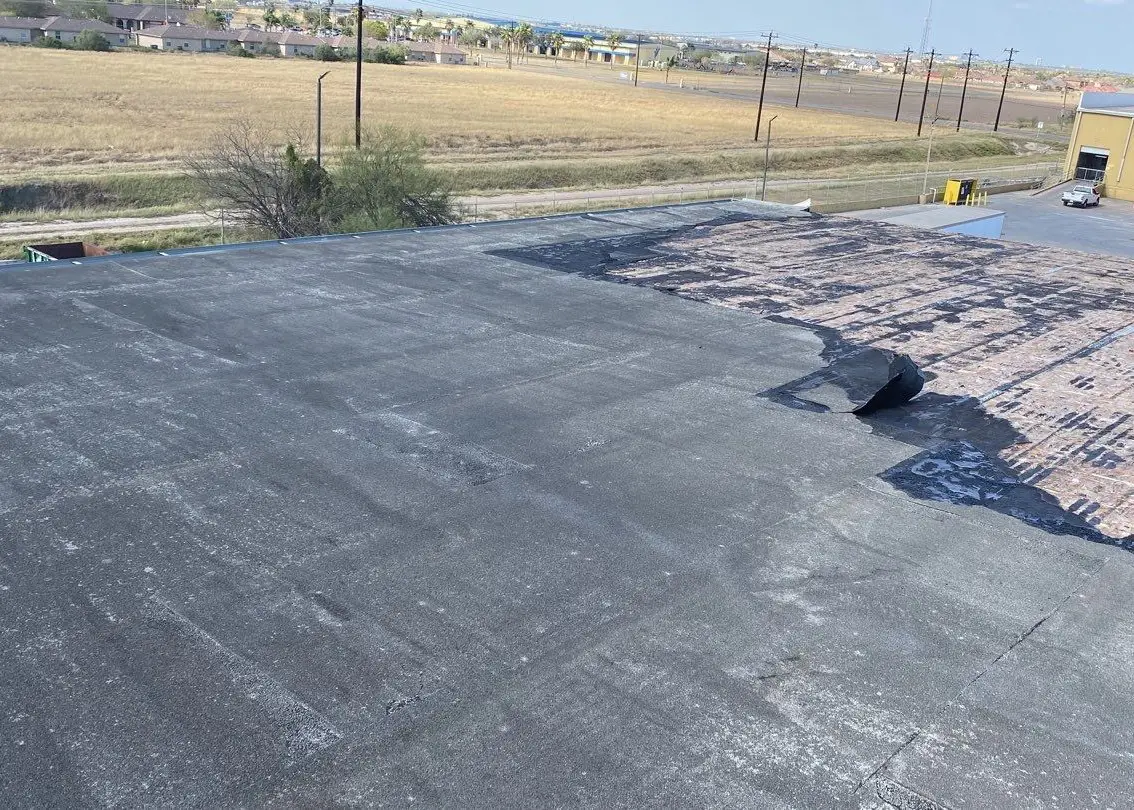 Code and Wind Review in Providence, RI
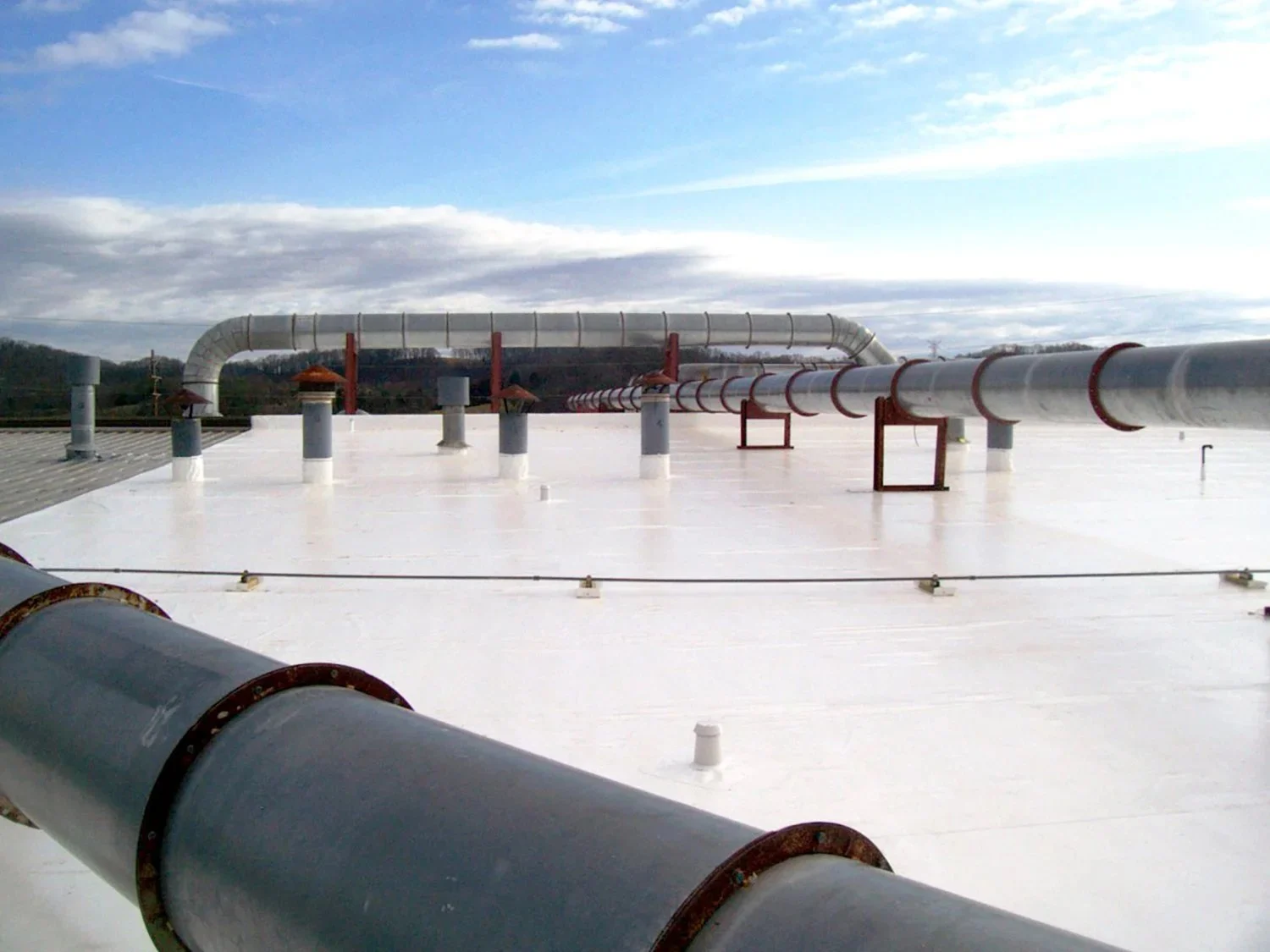 Core Cut Analysis in Providence, RI
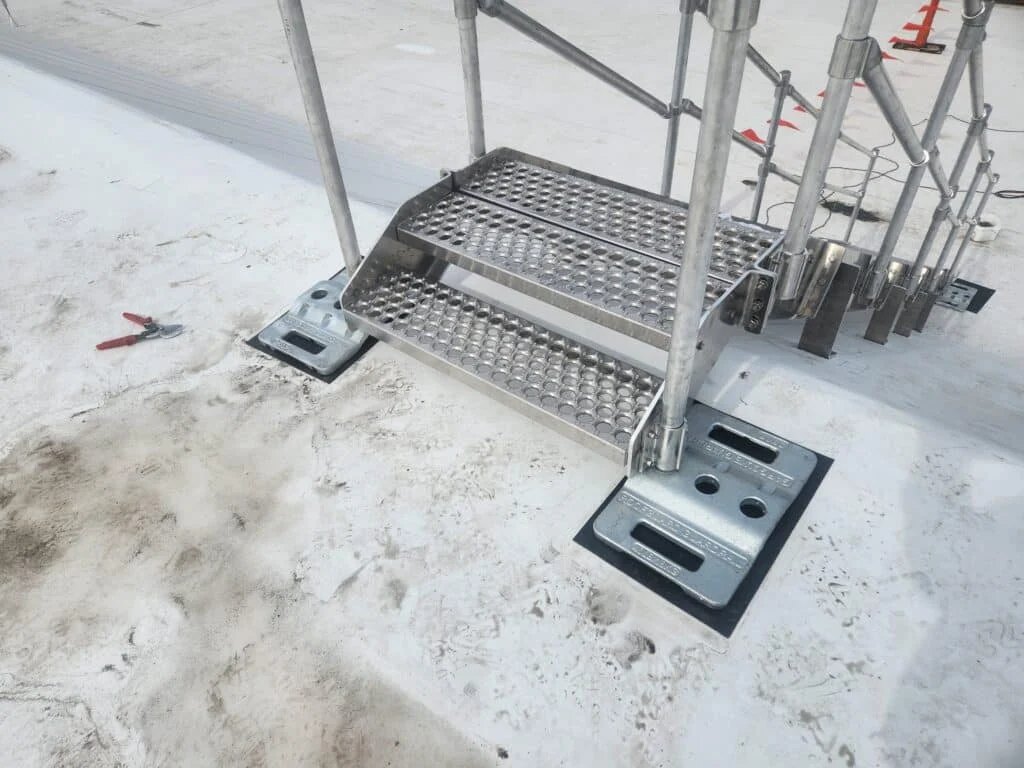 Crane and Material Staging in Providence, RI
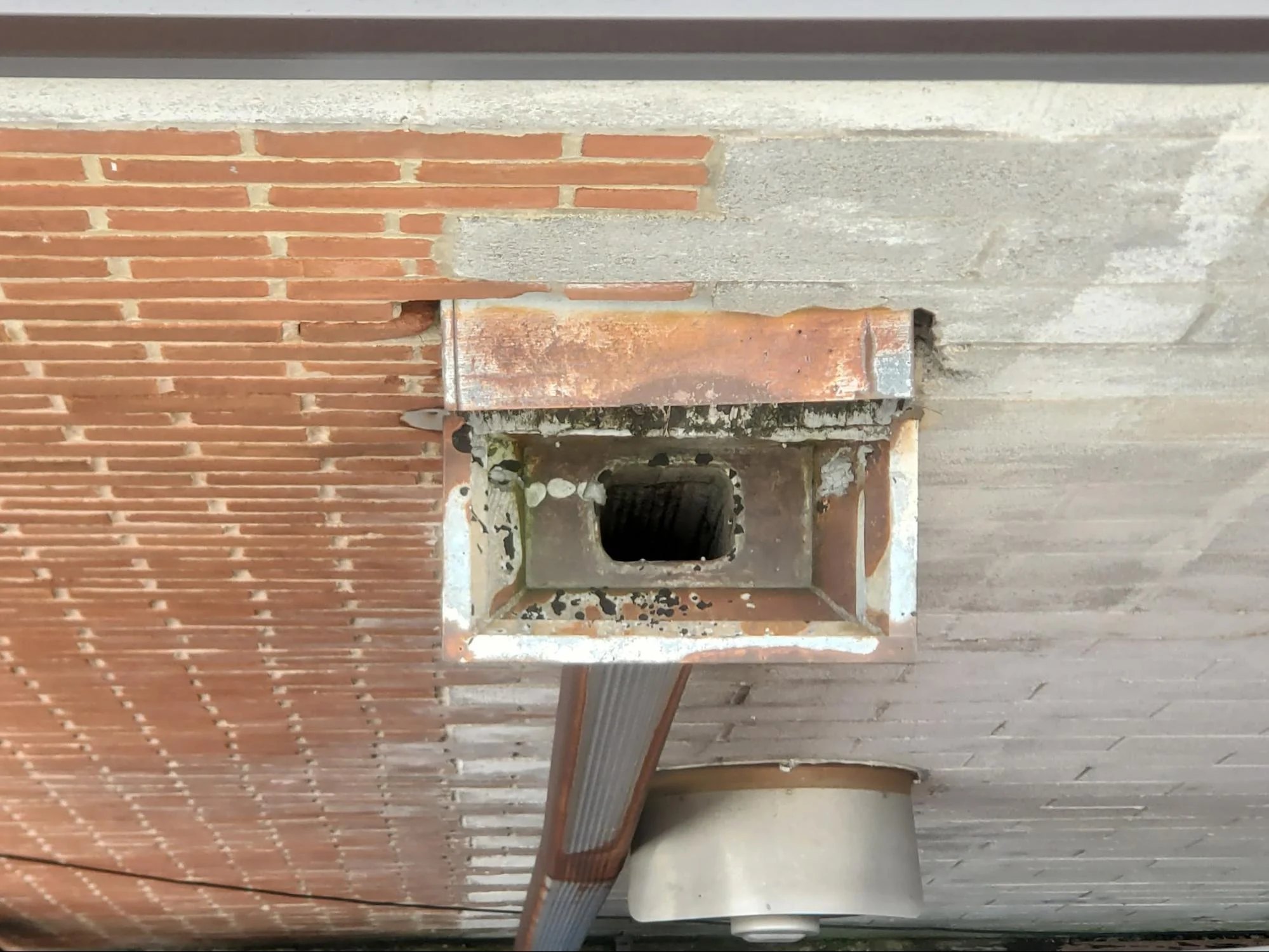 Drainage Layout Review in Providence, RI
 Energy and Insulation Review in Providence, RI
 Providence
 Warwick