
SBS Modified Bitumen Roofing for Rhode Island Commercial Buildings
SBS modified bitumen is a multi-ply roof system that takes the proven idea behind old built-up roofing and makes it tougher and more flexible. The membrane is asphalt modified with styrene-butadiene-styrene, a synthetic rubber that gives the bitumen elasticity it would not otherwise have. That rubberized asphalt is reinforced with polyester or fiberglass mats and installed in layers, so the finished roof is a thick, redundant assembly rather than a single sheet. For a lot of Rhode Island buildings, that redundancy and that rubbery flexibility are exactly what the climate calls for.
We install SBS modified bitumen systems on commercial, industrial, and institutional buildings across all 39 cities and towns in Rhode Island, with a particular focus on the older mill stock and on roofs that take heavy foot traffic or abuse.
Why SBS Makes Sense in Our Climate
The SBS rubber is what lets this membrane survive a New England winter. Freeze-thaw cycling is relentless here. A flat roof can move through dozens of freeze and thaw cycles in a single season as daytime sun softens the surface and overnight cold locks it back up. Plain asphalt gets brittle and cracks under that stress. The SBS modification keeps the membrane flexible in the cold, so it expands and contracts with the building instead of fracturing.
A few qualities make SBS modified bitumen a strong choice for Rhode Island roofs:
- Multi-ply redundancy, so a single flaw in one layer does not become an immediate leak the way it can on a single-ply roof
- Excellent flexibility in cold weather, which resists the cracking that freeze-thaw drives into lesser materials
- Strong puncture and traffic resistance, valuable on roofs with frequent service access, mechanical equipment, or rooftop work
- Granule-surfaced cap sheets that shrug off UV and add a layer of physical protection
Built for Snow Load and Standing Water
Nor'easters and lake-effect-style snowfalls can leave a heavy, wet blanket on a Rhode Island roof for days. That weight, combined with meltwater that backs up behind ice dams at the eaves, is a brutal test for any roof system. A thick multi-ply SBS assembly carries that load and that standing water well, and because it is built up in layers, the waterproofing does not depend on a single membrane staying perfect.
Ice damming in particular is where SBS earns its place. When snow melts higher on a roof, refreezes at the colder edge, and forces water back up under the roofing, a robust multi-ply membrane with sound flashing details gives that water far fewer places to get in. We detail the eaves, drains, and transitions specifically with our winters in mind.
Why SBS Fits Rhode Island's Mill Buildings
SBS modified bitumen is one of our most common recommendations for the state's 19th-century textile mills. The mill buildings in Pawtucket, Woonsocket, and West Warwick were built with large, low-slope roof decks, many of which originally carried built-up coal-tar or asphalt roofs. As these mills are restored and converted into commercial space, workshops, and apartments, modified bitumen is often the natural successor: it follows the same multi-ply logic the buildings were designed around, handles the broad flat expanses well, and stands up to the heavy maintenance traffic these older buildings tend to see.
Beyond the mills, we install SBS on:
- Industrial and warehouse roofs around the Quonset Business Park and the state's industrial corridors, where durability under traffic and equipment matters
- Buildings in downtown Providence and the hospital district where roof access is frequent and a puncture-resistant surface is worth the investment
- Coastal commercial properties on Aquidneck Island, in Newport, and across South County, where a thick, robust assembly stands up to harsh salt-laden weather
- Facilities where owners want the proven redundancy of a multi-ply system over a single sheet
How We Install SBS Modified Bitumen
We begin every project on the roof, evaluating the existing system, checking the insulation and deck for trapped moisture, and studying the drainage so ponding gets corrected rather than reroofed over. On the older mill buildings, we look closely at the deck and parapets, because generations of water intrusion can leave structural problems that must be addressed before any new roofing is applied.
Modified bitumen can be installed several ways, and we choose the method based on the building, its occupancy, and safety. The membrane can be torch-applied, set in hot asphalt, installed with cold adhesive, or applied as a self-adhered system. On occupied buildings, the mill conversions with tenants below, and any structure where open-flame work is a concern, we favor cold-applied or self-adhered methods that avoid a torch on the roof. We typically build the system as a two-ply assembly, with a base sheet and a granule-surfaced cap sheet, over the appropriate insulation, and we add tapered insulation where it is needed to move water toward the drains.
The flashing details at penetrations, curbs, drains, and parapet walls get the same careful attention as the field. In our climate, ice dams and wind-driven rain attack those transitions all winter long, and a multi-ply roof is only as reliable as the way it is terminated and tied into the building envelope.
SBS Compared to Single-Ply Systems
Owners often weigh SBS modified bitumen against single-ply membranes like TPO, PVC, and EPDM. The single-ply systems are lighter and frequently quicker to install, and they perform well on many buildings. SBS trades some of that simplicity for redundancy and toughness: the multi-ply build means there is no single point of failure, and the rubberized cap stands up to foot traffic and punctures better than a thin single sheet. For roofs that see heavy service access, for mill buildings where multi-ply construction fits the structure, and for owners who value built-in redundancy, modified bitumen is often the better answer.
We lay out these tradeoffs honestly on every job. The right system depends on the building, the traffic it sees, the budget, and how long the owner plans to hold the property, not on a one-size answer.
Maintaining an SBS Roof
A modified bitumen roof holds up well with routine care. We recommend keeping drains and scuppers clear so meltwater leaves the roof, inspecting after major storms, and repairing any blisters, splits, or damaged flashings before water works into the system. Repairs are straightforward, since damaged areas can be cut out and new plies bonded in to restore the multi-ply protection.
If you are considering SBS modified bitumen for a commercial or mill building anywhere in Rhode Island, we will get on your roof, assess what you have, and give you a straight recommendation on whether it is the right system for your building.
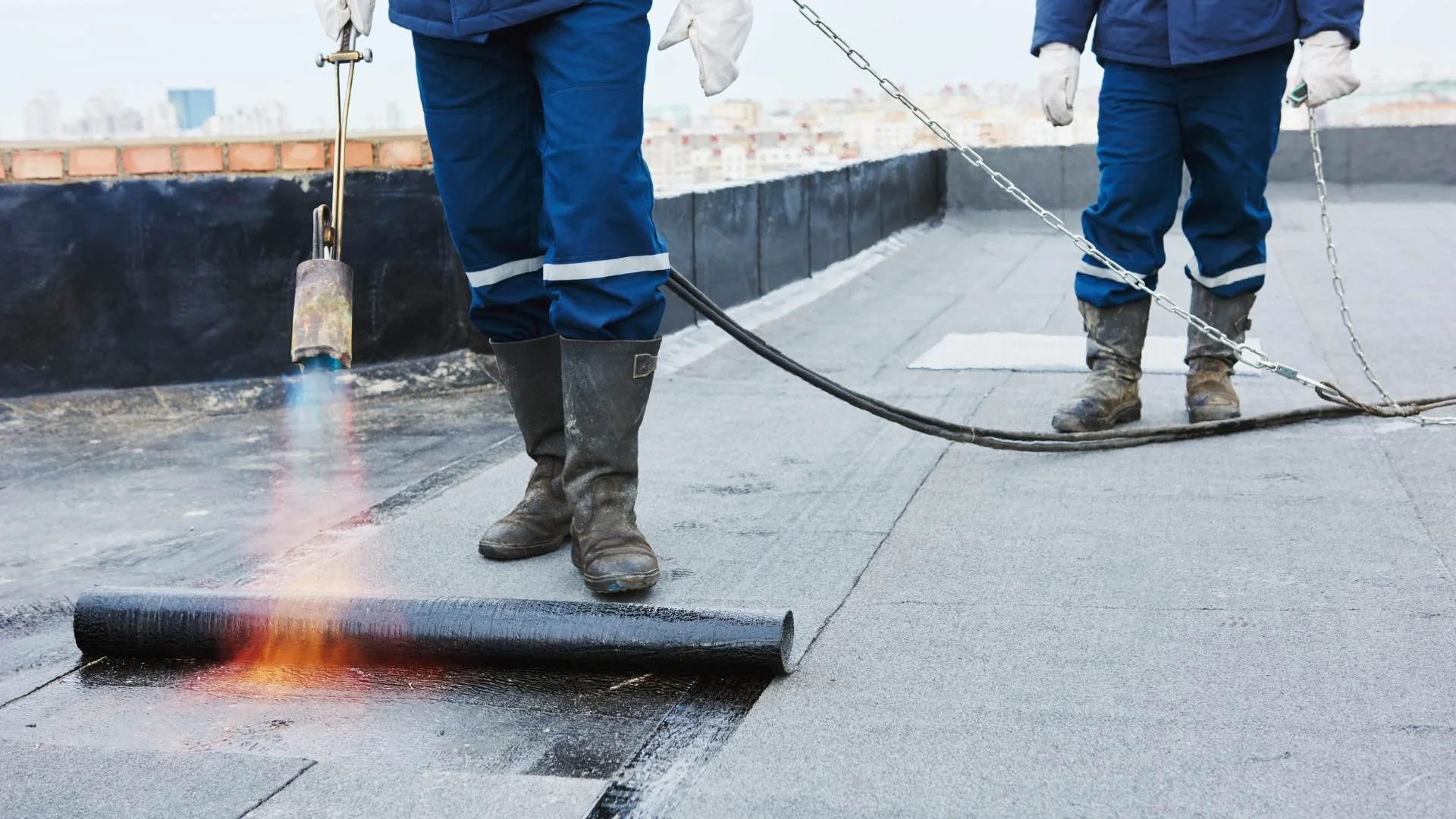 APP Modified Bitumen in Providence, RI
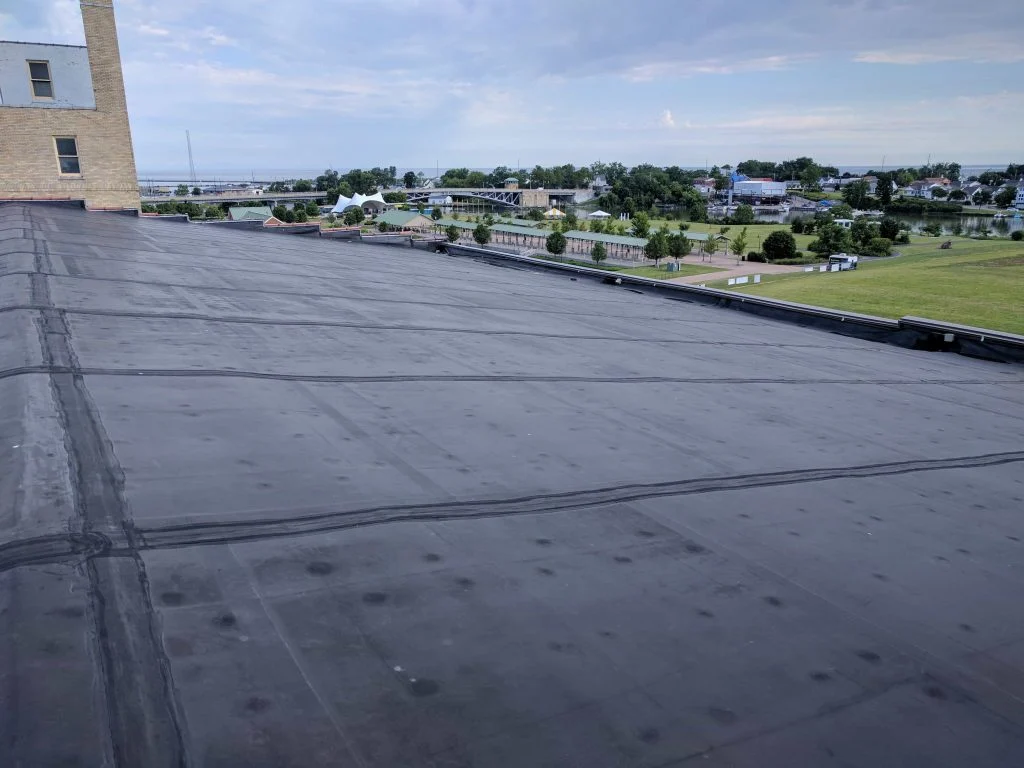 Built Up Asphalt in Providence, RI
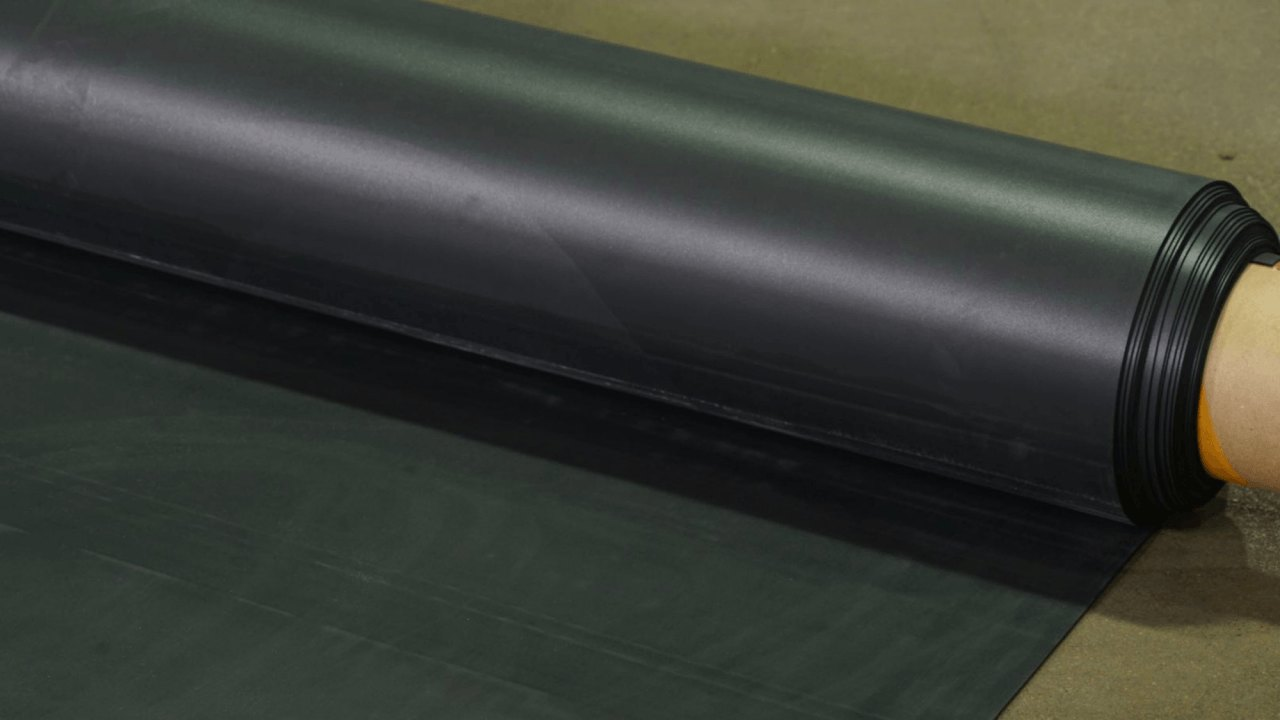 EPDM Black in Providence, RI
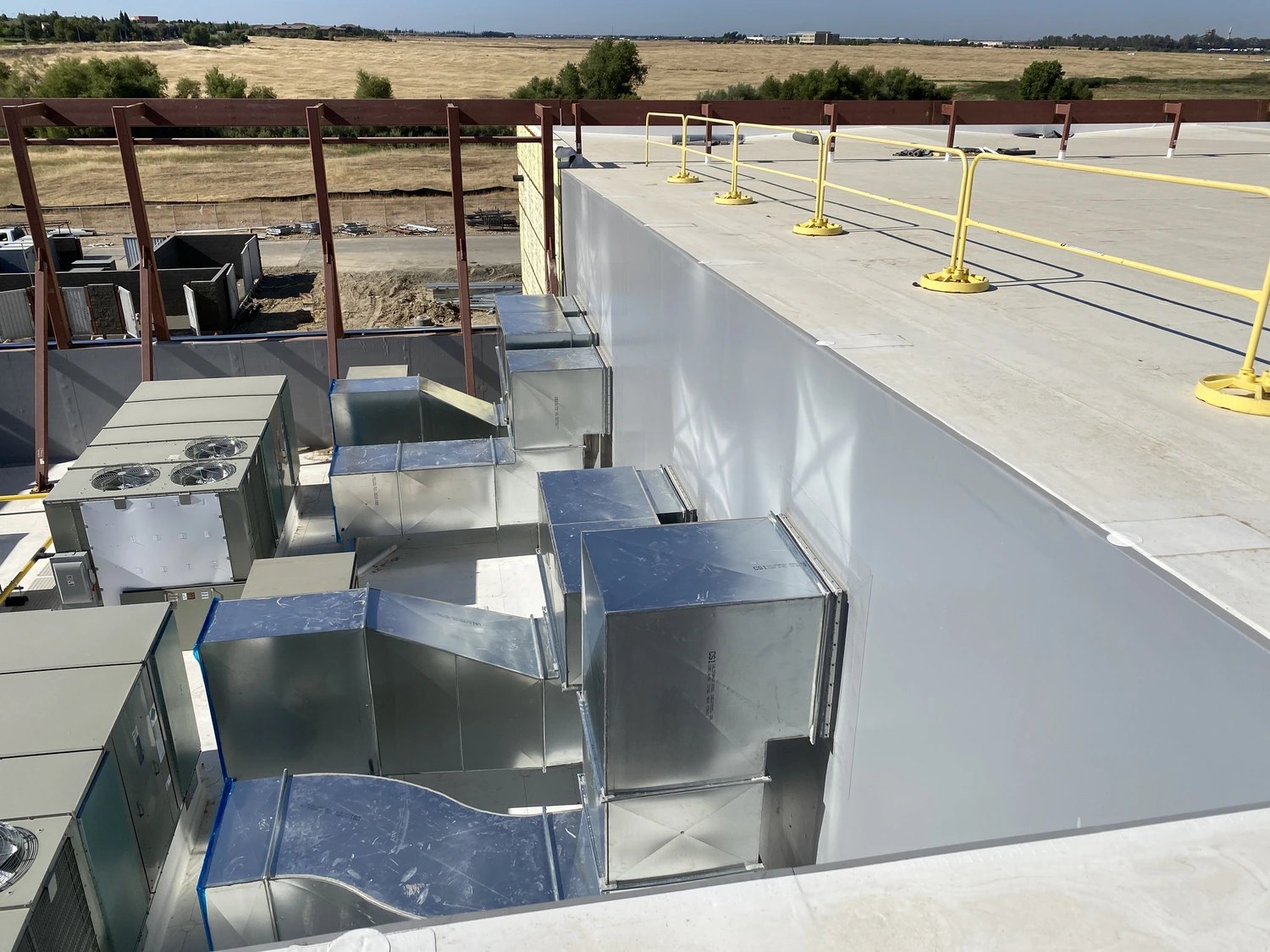 EPDM White in Providence, RI
 Fleeceback TPO in Providence, RI
 KEE Membrane in Providence, RI
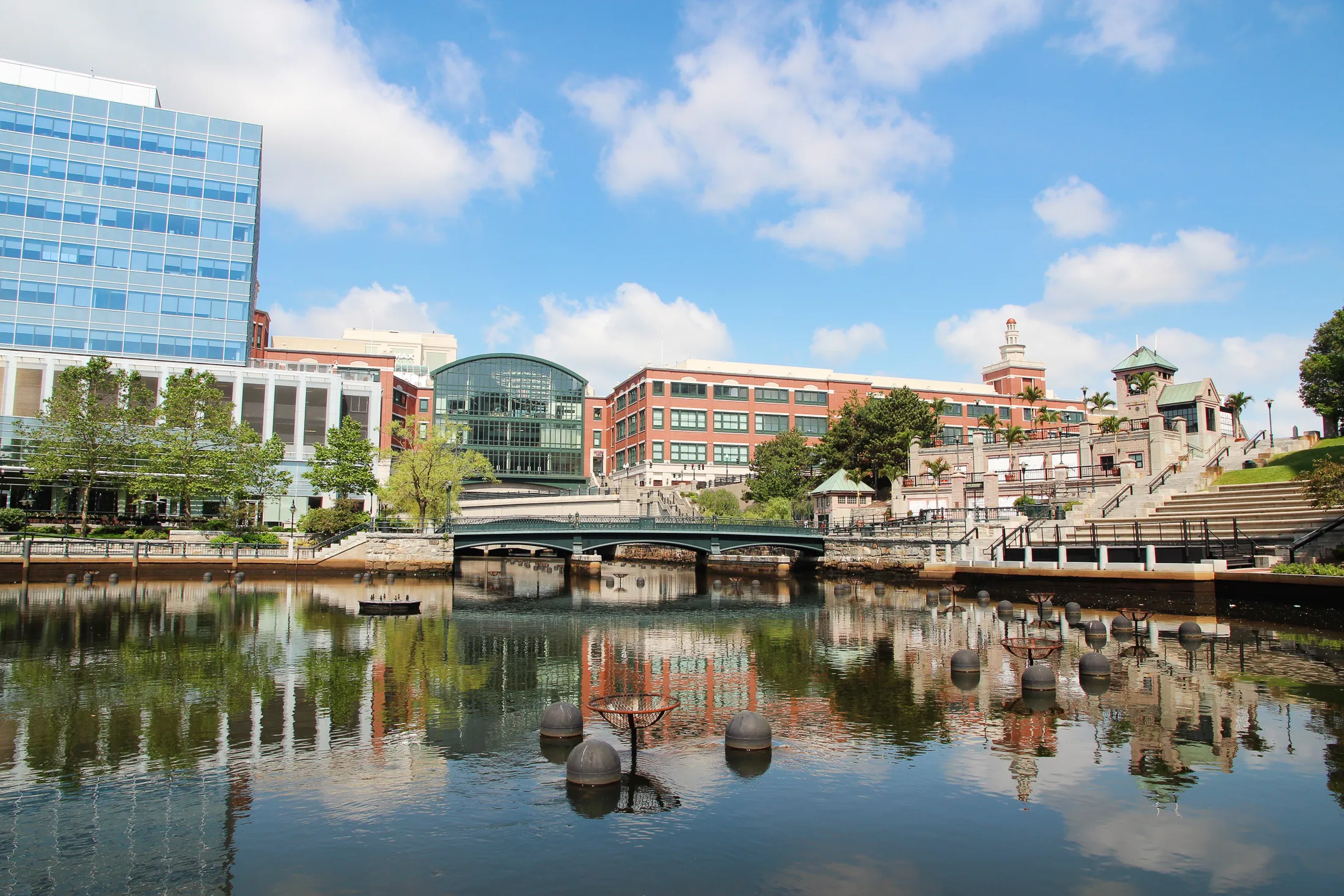 Providence
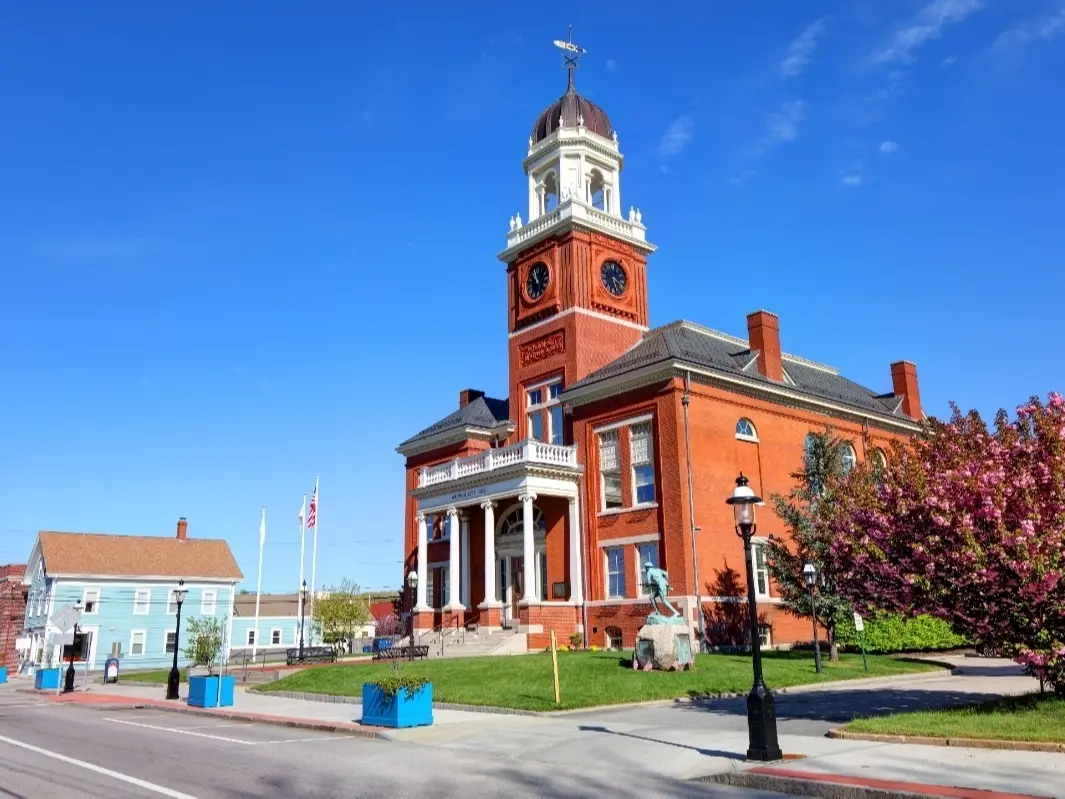 Warwick