
80-Mil TPO Membrane for Demanding Commercial Roofs
The thickness of a TPO membrane is measured in mils, and the jump from a standard 60-mil sheet to an 80-mil sheet is not a small one. At 80 mils, the membrane carries a noticeably thicker scrim and a heavier top ply, which is the layer that takes the abuse from foot traffic, hail, dropped tools, and the grit that wind drives across a roof. We specify 80-mil TPO for Rhode Island buildings where the roof is going to see real wear over its service life, and across our statewide work we install it on facilities in all 39 towns, from the industrial bays at Quonset Business Park down to mixed-use blocks in downtown Providence.
TPO is a single-ply thermoplastic membrane. The seams are hot-air welded rather than glued, so adjacent sheets fuse into one continuous surface that behaves like a single piece of material. That welded seam is the strongest part of a properly installed TPO roof, and on an 80-mil system the weld is robust enough to stand up to the thermal cycling our region puts a roof through, where a membrane can swing from a frozen January morning to a baking July afternoon and back again, thousands of times over its life.
Why the Extra Thickness Matters in New England
An 80-mil sheet is the right call when the roof has to absorb punishment that a thinner membrane would eventually fail under. There are a few situations across Rhode Island where we routinely reach for it.
Snow load and ice on low-slope roofs
Nor'easters drop heavy, wet snow on flat and low-slope commercial roofs, and that load does not come off cleanly. Crews tracking across an iced-over membrane with shovels, drifts piling against parapets and curbs, and the freeze-thaw grinding that happens at the snow line all work against the top ply. A thicker membrane gives that surface more material to give up before the reinforcing scrim is exposed. On roofs where snow management is part of the annual routine, the heavier gauge buys years.
Rooftop traffic and equipment
Buildings with rooftop HVAC, exhaust fans, refrigeration, or solar carry technicians up and down the same paths year after year. Each trip drags grit across the membrane. We see this constantly on warehouse and manufacturing roofs around the state, where mechanical contractors are a near-monthly presence. An 80-mil membrane, often paired with walkway pads on the heaviest routes, handles that traffic far better than a lighter sheet.
Hail and wind-driven debris
Hail and the debris a strong nor'easter throws across a roof both strike the surface hard. The thicker top ply resists the bruising and small punctures that, on a thinner membrane, become the slow leaks an owner discovers months later as a stain on a ceiling tile.
How We Install an 80-Mil TPO System
The membrane is one component of a roof assembly, and the assembly is where performance actually lives. A typical 80-mil TPO build we install includes:
- A mechanically fastened or adhered cover board over the insulation, which gives the membrane a firm, uniform substrate and adds puncture resistance from below.
- Polyiso insulation laid to the specified R-value, usually in two staggered layers so the board joints do not line up and create thermal gaps.
- The 80-mil TPO membrane itself, either mechanically attached with fastener rows and plates or fully adhered to the cover board, chosen by the building's wind exposure and the deck type.
- Hot-air-welded seams, probe-tested across the roof so every lap is confirmed before we leave.
- Detailed flashings at every penetration, curb, and parapet, where most roof leaks actually begin, fabricated from the same membrane and welded in place.
Attachment method matters more here than people expect. Coastal buildings on Aquidneck Island, in Newport, and across South County sit in higher wind-exposure zones, and the salt air there is hard on exposed metal fasteners and edge terminations. For those roofs we lean toward adhered systems and stainless or coated fasteners where the design calls for them, so the assembly resists both uplift and corrosion.
Where 80-Mil TPO Fits in Rhode Island's Building Stock
Much of the commercial square footage in this state sits under low-slope roofs, and a large share of it is older. The 19th-century textile-mill buildings in Pawtucket, Woonsocket, and West Warwick have been re-roofed many times, and their broad flat decks are good candidates for a heavy single-ply membrane when an owner wants a durable, lower-maintenance surface over a building that will keep earning its keep for decades. The reflective white surface of TPO also helps on these large roofs, reducing the heat the building absorbs through the summer.
Industrial tenants at Quonset and along the state's manufacturing corridors put their roofs to work, with traffic and equipment that justify the upgrade to 80 mils outright. And for owners weighing cost against lifespan, the math on the heavier membrane is straightforward: the added material cost is modest against the total project, and it shows up again as a longer interval before the next reroof.
TPO Thickness and Warranty Length
Membrane manufacturers tie their longest warranty terms to their thicker membranes, and 80-mil TPO typically qualifies for the top tier a given system offers. We install these systems to manufacturer specification, including the cover board, fastening pattern, and flashing details that the warranty depends on, because a warranty is only as good as the installation behind it. We will walk an owner through what a specific manufacturer's terms cover and what they require before any work starts.
Repair, Restoration, or New TPO
Not every roof needs to come off. If an existing TPO roof is sound but aging, an 80-mil overlay or a targeted repair program can extend it. If the insulation below is wet or the membrane has reached the end of its life, a full tear-off and new 80-mil system is the honest answer. We assess the existing assembly first, including moisture in the insulation, and recommend the path that fits the roof in front of us rather than a default. If you are weighing an 80-mil TPO roof for a building anywhere in Rhode Island, we can evaluate the deck, the existing assembly, and the building's exposure, and give you a clear scope.
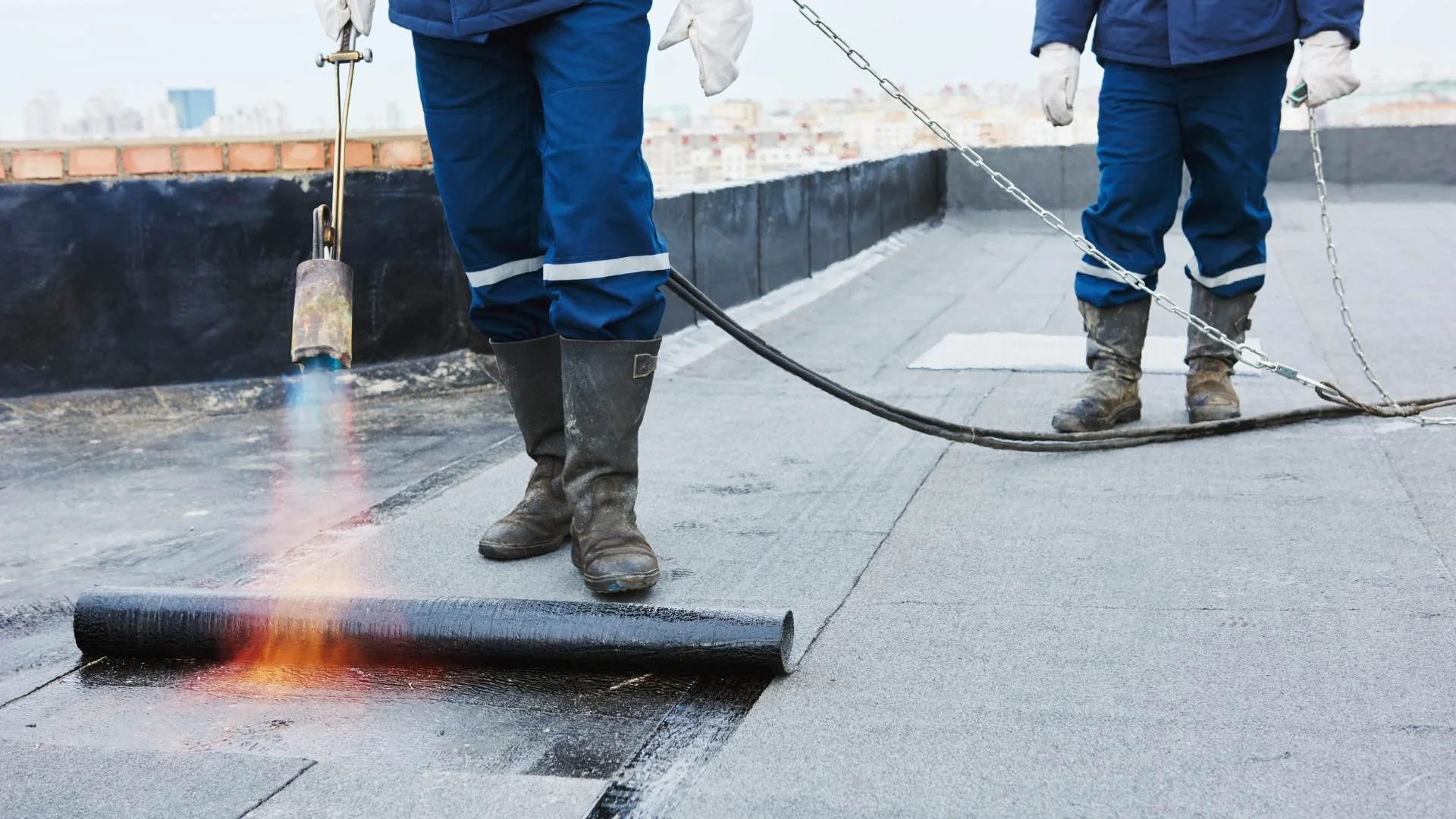 APP Modified Bitumen in Providence, RI
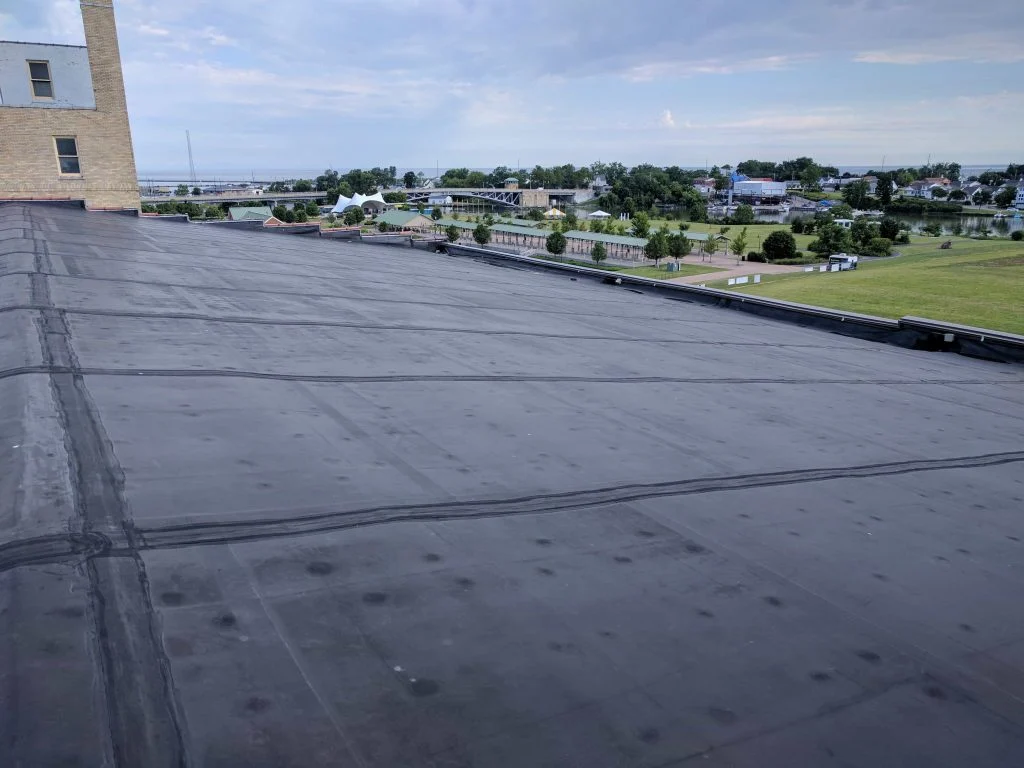 Built Up Asphalt in Providence, RI
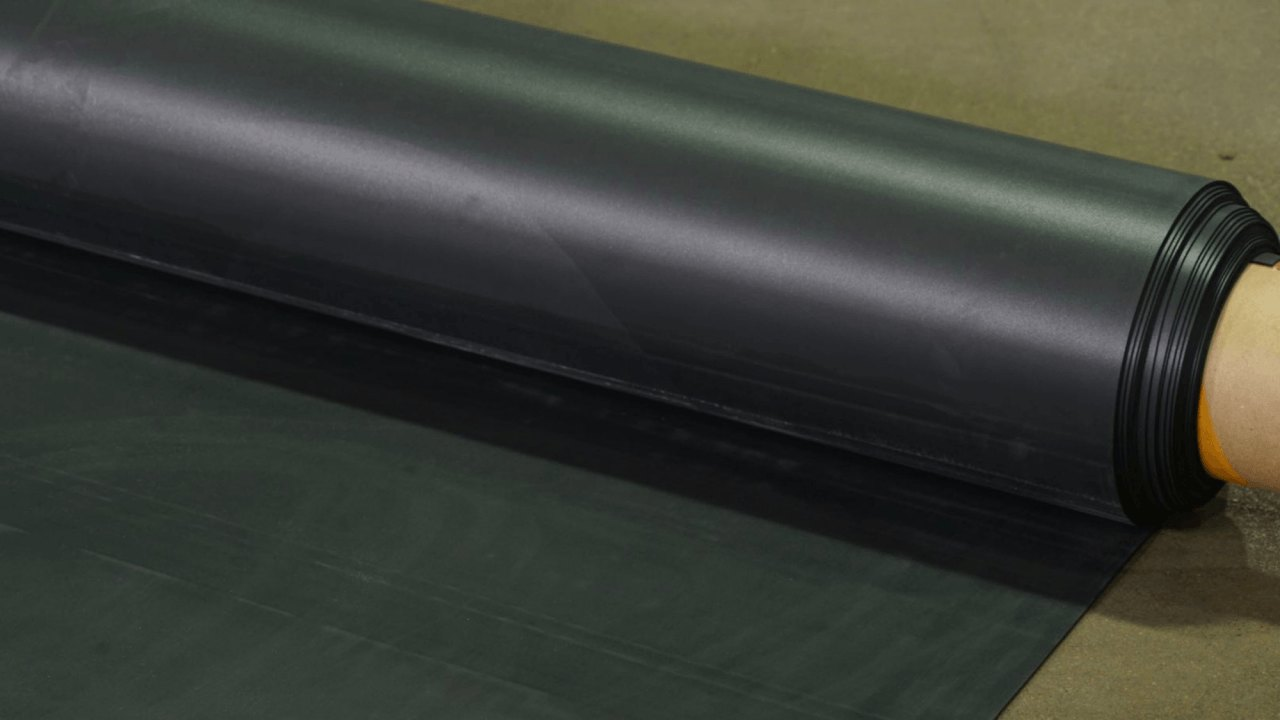 EPDM Black in Providence, RI
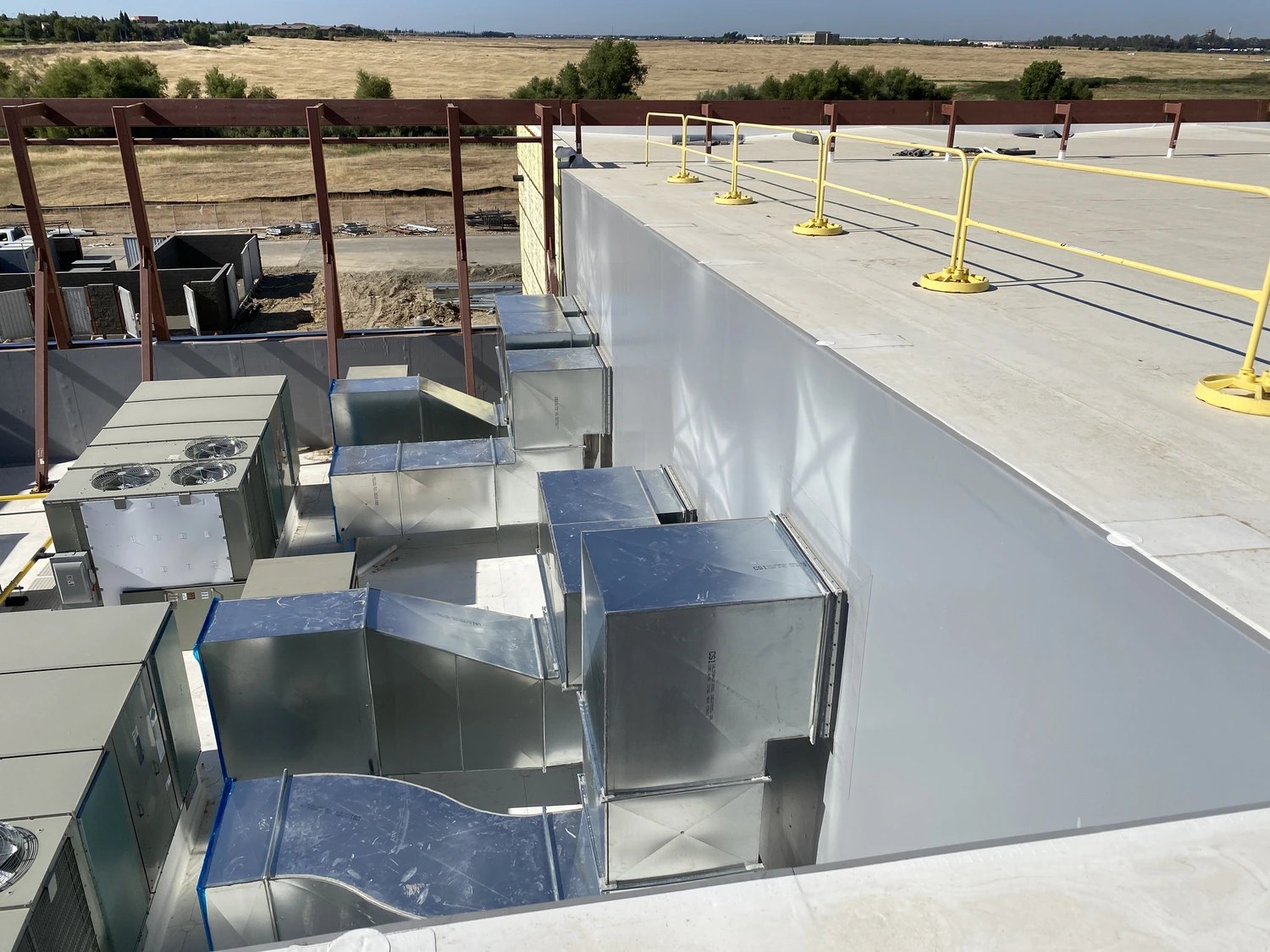 EPDM White in Providence, RI
 Fleeceback TPO in Providence, RI
 KEE Membrane in Providence, RI
 Providence
 Warwick